
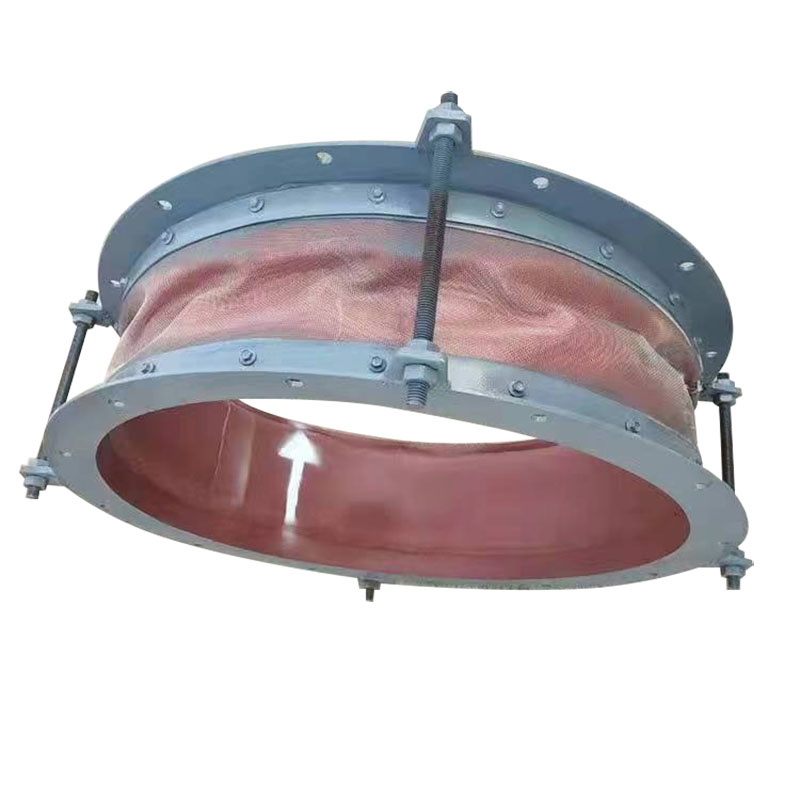
Non-metallic pipe compensators are essential components in modern piping systems, designed to absorb thermal expansion, reduce vibration, and protect pipeline integrity. This article explores their design, applications, benefits, and practical considerations for industries ranging from chemical processing to nuclear energy.

Natural gas pipe connections are critical components in any gas distribution system, ensuring the safe and efficient transport of natural gas across residential, commercial, and industrial pipelines. This article provides an in-depth overview of natural gas pipe connections, their specifications, installation practices, common challenges, and maintenance tips. By understanding these key factors, businesses and homeowners can ensure optimal performance while minimizing risks associated with gas leakage or system failures.

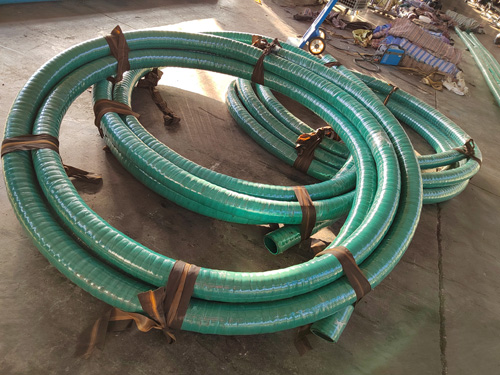
When it comes to industrial applications, both silicone tubes and rubber tubes play crucial roles. However, they differ significantly in their properties, uses, and performance characteristics. Understanding these differences can help in selecting the right tube material for your specific needs. In this article, we will compare these two materials across several dimensions: properties, uses, and performance.

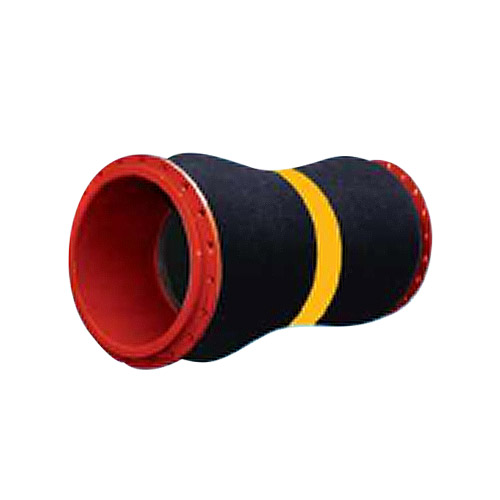
Sandblasting rubber tubes play a critical role in industrial surface treatment processes, offering durability, flexibility, and reliability. This article explores their key characteristics, applications, types, maintenance tips, and common issues, providing a comprehensive guide for selecting the right solution for your operations.

A Sandblasting Rubber Tube is a critical industrial component designed for conveying abrasive media such as sand, steel grit, coal slag, and mineral particles under high pressure. This article provides a comprehensive analysis of Sandblasting Rubber Tube design principles, material composition, performance parameters, application environments, and compliance standards.

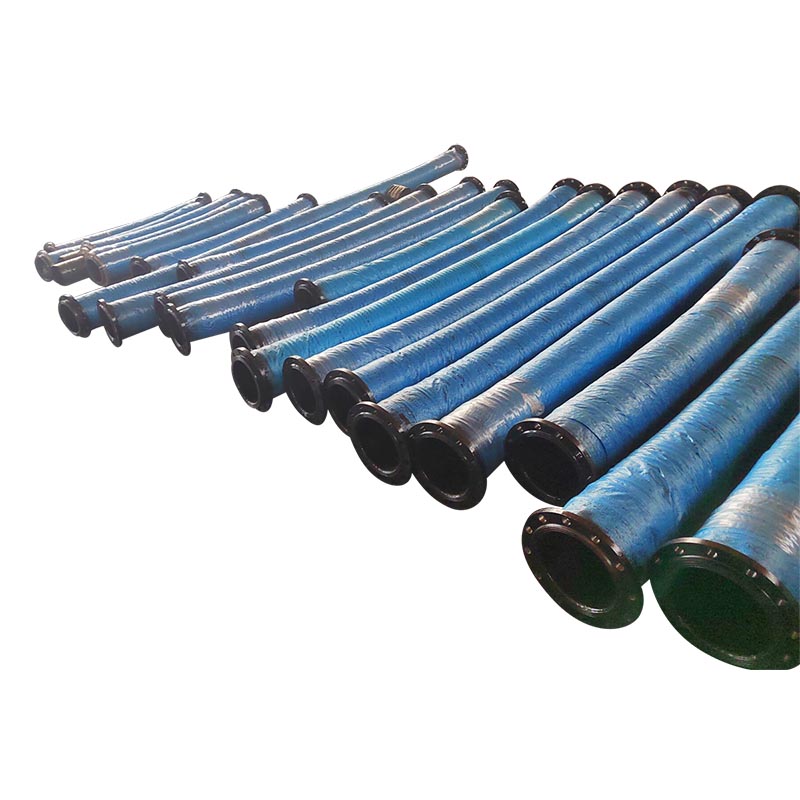
Large-bore hoses play a critical role in high-volume, high-demand fluid transfer environments where rigid piping systems are impractical or inefficient. This article provides a comprehensive technical overview of large-bore hose systems, focusing on how they are specified, designed, and deployed in industrial applications. It examines key performance parameters, common engineering challenges, and frequently asked technical questions while outlining emerging trends shaping future hose design. The content is structured to support search visibility, professional readability, and technical reference needs.