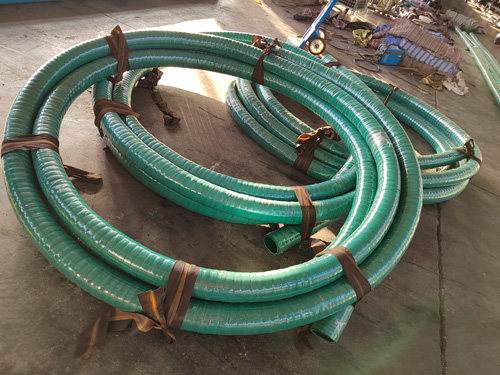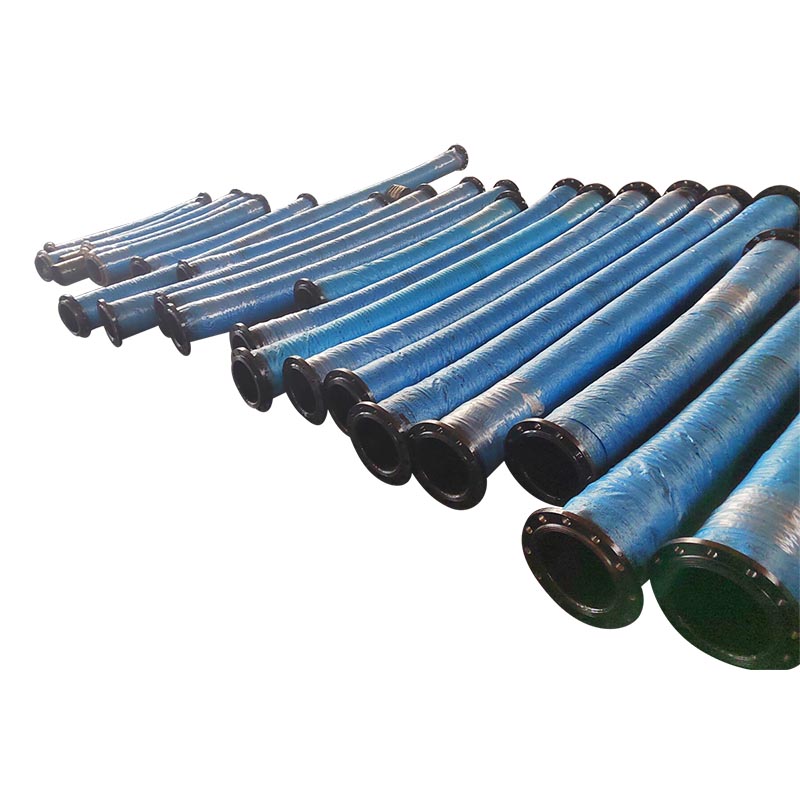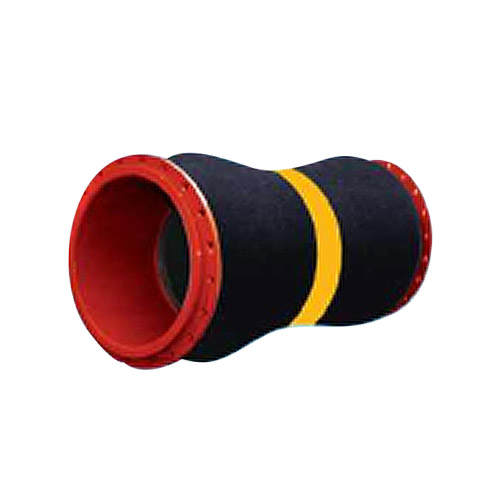

Large-bore hoses play a critical role in high-volume, high-demand fluid transfer environments where rigid piping systems are impractical or inefficient. This article provides a comprehensive technical overview of large-bore hose systems, focusing on how they are specified, designed, and deployed in industrial applications. It examines key performance parameters, common engineering challenges, and frequently asked technical questions while outlining emerging trends shaping future hose design. The content is structured to support search visibility, professional readability, and technical reference needs.
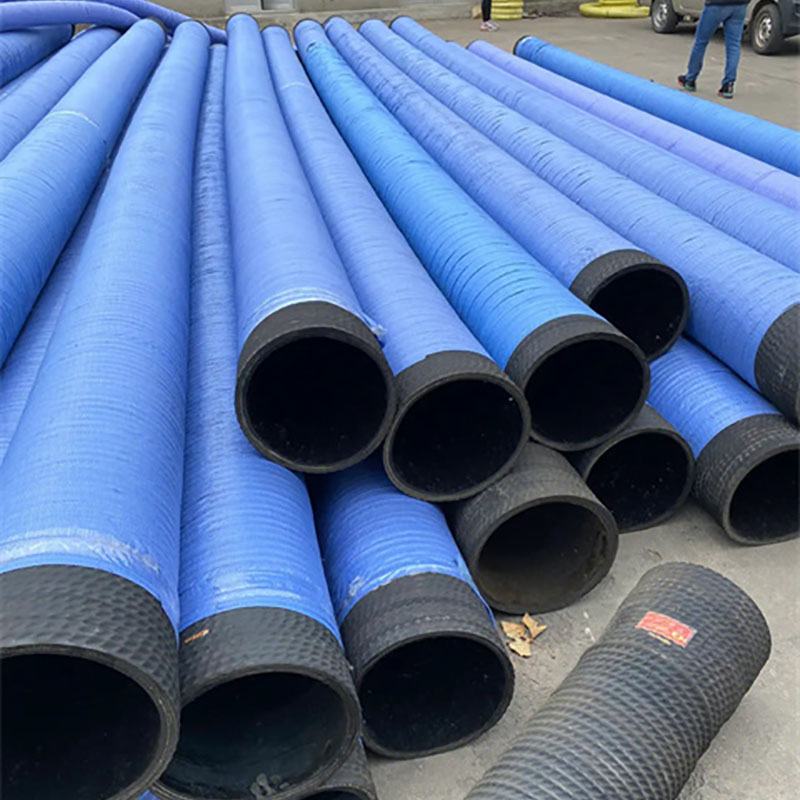
A large-bore hose is generally defined as a flexible industrial hose with an internal diameter significantly larger than standard hydraulic or pneumatic hoses, typically ranging from 3 inches to over 24 inches. These hoses are engineered to transport substantial volumes of liquids, slurries, powders, or gases under varying pressure and temperature conditions.
In industrial environments such as dredging, mining, oil and gas transfer, chemical processing, and municipal water management, large-bore hoses provide a balance between flexibility and structural integrity. Unlike rigid pipelines, these hoses allow for movement, vibration absorption, and rapid deployment, which is especially important in temporary or mobile operations.
The core functional principle of a large-bore hose is to maintain flow efficiency while resisting collapse, abrasion, and pressure-induced deformation. This is achieved through multi-layer constructions that typically include an inner liner compatible with the conveyed medium, reinforcement layers for pressure resistance, and an outer cover designed for environmental protection.
From a system integration perspective, large-bore hoses are often used in conjunction with flanged couplings, floating elements, or articulated joints. Their role extends beyond simple fluid conveyance to system reliability, operational safety, and lifecycle cost optimization.
Specifying a large-bore hose requires a detailed understanding of operating conditions and performance expectations. The following parameters are commonly evaluated during selection and design.
| Parameter | Typical Specification Range | Technical Significance |
|---|---|---|
| Inner Diameter (ID) | 3” – 24”+ | Determines flow capacity and velocity |
| Working Pressure | 2 – 40 bar (varies by construction) | Defines safe continuous operating limits |
| Burst Pressure | 3–4 × working pressure | Indicates safety margin under extreme conditions |
| Temperature Range | -40°C to +120°C (material dependent) | Affects liner and reinforcement material choice |
| Reinforcement Type | Textile cord, steel wire, helix | Provides pressure and vacuum resistance |
| Cover Material | Rubber, UHMWPE, PVC blends | Protects against abrasion, UV, and chemicals |
Beyond dimensional and pressure data, standards compliance is another essential consideration. Many large-bore hoses are manufactured in accordance with international specifications such as ISO, EN, or API guidelines, depending on the target industry. These standards govern aspects such as testing protocols, safety factors, and material traceability.
Installation conditions also influence parameter selection. Bend radius, axial movement, and external loads must be assessed to prevent premature fatigue or kinking. In floating or submerged applications, buoyancy characteristics and water absorption resistance become equally important.
The following frequently asked questions address recurring technical concerns encountered during specification, installation, and operation.
Q: How is flow efficiency maintained in a large-bore hose over long distances?
A: Flow efficiency is primarily maintained through optimized inner liner materials with low friction coefficients and consistent internal diameters. Proper support spacing and alignment also reduce turbulence and pressure loss, particularly in horizontal installations.
Q: How does reinforcement design affect pressure and vacuum performance?
A: Reinforcement layers, such as steel wire helix or high-tensile textile cords, provide structural support against both internal pressure and external vacuum conditions. The reinforcement angle, pitch, and bonding method directly influence collapse resistance and dimensional stability.
Q: How are abrasion and chemical compatibility addressed?
A: Abrasion resistance is achieved through specialized liner compounds or wear-resistant materials such as UHMWPE. Chemical compatibility is managed by selecting elastomers or thermoplastics tested against the conveyed media, ensuring long-term integrity without swelling or degradation.
Q: How is service life estimated for a large-bore hose?
A: Service life estimation considers operating pressure cycles, temperature exposure, mechanical stress, and environmental factors. Regular inspection, adherence to recommended operating limits, and preventive maintenance significantly extend usable life.
The evolution of large-bore hose technology is closely tied to broader industrial trends such as automation, sustainability, and digital monitoring. Advanced materials with improved strength-to-weight ratios are enabling lighter hose constructions without compromising pressure ratings.
Another emerging direction is the integration of sensor technology. Embedded monitoring systems capable of tracking pressure, temperature, and deformation in real time are increasingly being evaluated for critical applications. These developments support predictive maintenance strategies and reduce unplanned downtime.
Environmental considerations are also shaping future designs. Manufacturers are exploring recyclable materials, low-emission production processes, and longer-life compounds to align with regulatory and corporate sustainability objectives.
Within this evolving landscape, manufacturers such as Fushuo continue to refine large-bore hose solutions by combining material science, process control, and application-specific engineering. By addressing both current operational demands and future industry expectations, such solutions remain integral to efficient fluid transfer systems.
For organizations evaluating large-bore hose solutions or seeking technical consultation tailored to specific operating conditions, direct engagement with experienced manufacturers is strongly recommended. Contact Fushuo to discuss application requirements, customization options, and long-term supply support for industrial hose systems.