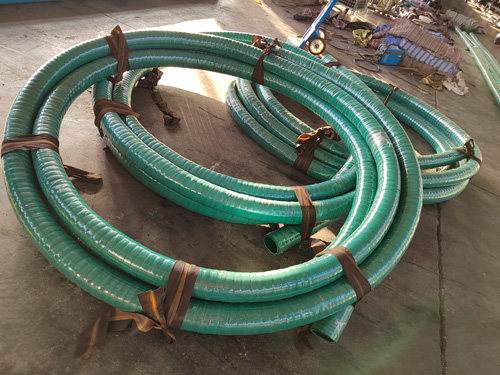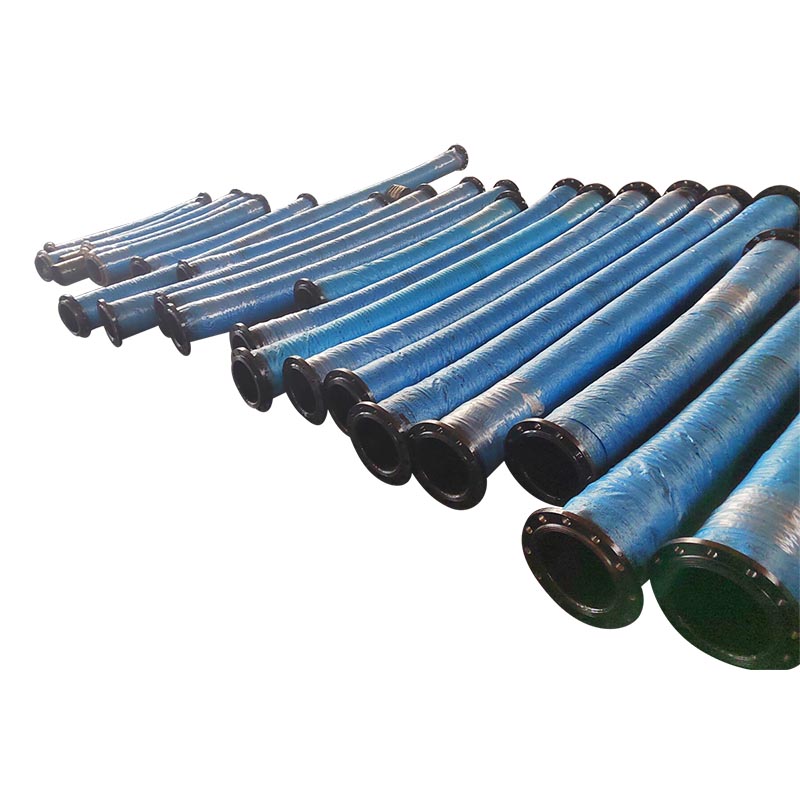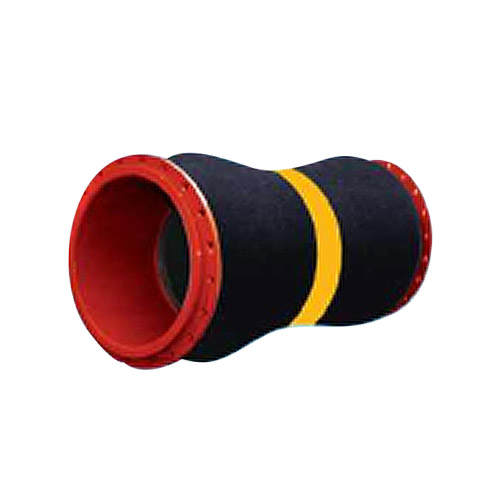

When it comes to industrial applications, both silicone tubes and rubber tubes play crucial roles. However, they differ significantly in their properties, uses, and performance characteristics. Understanding these differences can help in selecting the right tube material for your specific needs. In this article, we will compare these two materials across several dimensions: properties, uses, and performance.
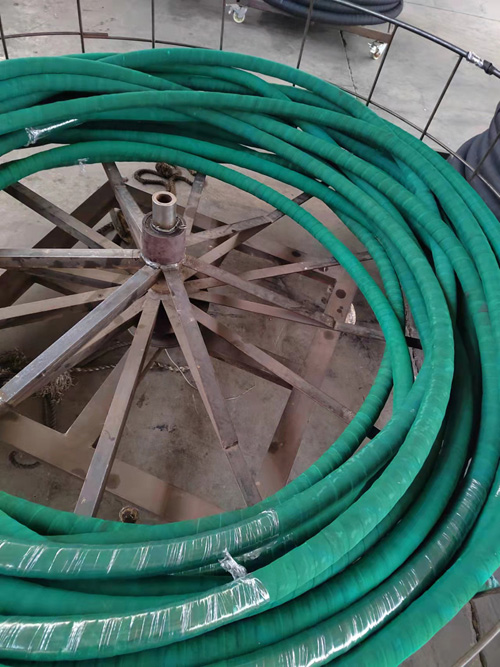
Silicone tubes are known for their versatility. They are designed for the flow of liquids, gases, and other materials, making them multi-functional carriers. Their unique properties allow them to perform under extreme temperature conditions and resist a range of environmental factors.
Temperature Resistance: Silicone tubes can withstand extreme temperature ranges, typically from -40°C to 300°C.
Chemical Stability: They are non-reactive and highly stable, offering excellent chemical resistance, making them ideal for the medical and food industries.
Physical Properties: Silicone tubes have high elasticity, good flexibility, and low compression set, ensuring long-term performance without deformation.
Rubber tubes are primarily used for gas transmission and are commonly employed in applications where flexibility and resilience are important, but they are less capable of withstanding extreme temperature ranges compared to silicone.
Temperature Resistance: Rubber tubes can generally withstand temperatures between -40°C and 150°C.
Chemical Resistance: While rubber offers some degree of chemical resistance, it is not as effective as silicone in extreme conditions or with certain chemicals.
Physical Properties: Rubber tubes are highly flexible, making them ideal for gas flow in confined spaces, and they are tougher than silicone under certain physical pressures.
Silicone tubes are used in a wide variety of industries due to their flexibility, temperature resistance, and biocompatibility. Their non-toxicity and chemical stability make them particularly suitable for sensitive industries like food, medical, and pharmaceutical sectors.
Electronics: Used in electrical insulation, sealing, and fluid transport.
Oil & Gas: Utilized in precision oil pipelines and as flexible conduits for various fluids.
Medical: Ideal for medical applications like IV tubes, catheters, and fluid management.
Food Processing: Can be used for transporting dairy, juices, and beer, as well as in sterilization processes.
Baking & Kitchen: Silicone tubes are also found in oven seals and food-safe applications.
Rubber tubes are more commonly used for gas transportation and are found in a wide range of industrial and commercial applications. These tubes are particularly valuable for their flexibility and durability in environments with moderate temperature changes.
Industrial Equipment: Frequently used in machinery, airline hoses, and fluid transfer systems.
Automotive: Used for various parts in vehicles such as fuel lines, brake systems, and coolant hoses.
Consumer Goods: Found in toys, sports equipment, appliances, and more.
Marine: Rubber tubes are used for boat plumbing and fuel delivery systems in marine environments.
High Temperature Resistance: Silicone tubes are capable of withstanding temperatures from -40°C to 300°C, making them ideal for extreme temperature applications in industries like aerospace, medical, and food processing.
Elasticity: High rebound properties ensure minimal deformation, and their low compression set helps maintain shape over time.
Ozone, UV & Radiation Resistance: Silicone tubes are resistant to ozone, UV radiation, and ionizing radiation, making them highly durable in outdoor and industrial settings.
Oil Resistance: Special formulations of silicone offer oil resistance, although not all silicone types offer this feature.
Non-toxic & Eco-friendly: Most rubber tubes are designed to be non-toxic and environmentally friendly. However, some rubber materials, particularly those with added flame retardants, may release toxic fumes under certain conditions.
Chemical Resistance: While rubber provides some resistance to chemicals, it is generally not as durable as silicone in the long term, especially in harsher chemical environments.
Flame Retardant Properties: Some rubber tubes are designed for fire-resistant environments by adding flame retardants, but this may result in toxic emissions during combustion.
| Feature | Silicone Tubes | Rubber Tubes |
| Temperature Resistance | -40°C to 300°C | -40°C to 150°C |
| Flexibility | High | High |
| Elasticity | Strong rebound, minimal deformation | Moderate rebound |
| Chemical Resistance | Excellent | Moderate |
| UV/Ozone Resistance | Yes | No |
| Flame Resistance | No | Yes (with flame retardants) |
| Biocompatibility | Yes | No |
| Common Applications | Medical, food, electronics, oil & gas | Automotive, industrial, marine, consumer goods |
| Typical Lifespan | Long | Moderate |
| Cost | Higher | Lower |