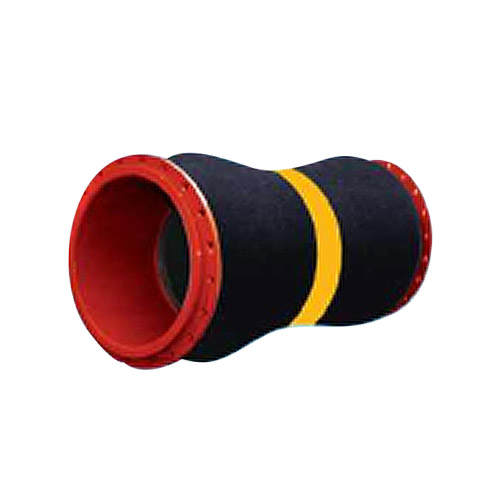

Silicone soft connections are essential components in modern pipeline systems. Designed for vibration absorption, noise reduction, and temperature flexibility, these joints protect pipelines in industries ranging from chemical processing to fire protection. This article explores their types, benefits, specifications, and practical applications.
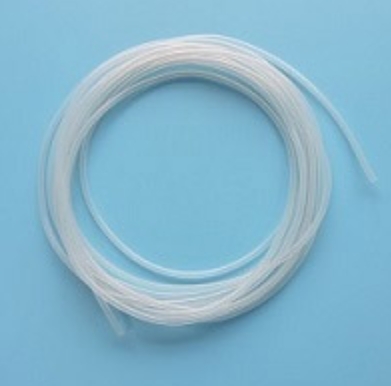
Silicone rubber tubes are essential components across a wide range of industries due to their flexibility, durability, and resistance to extreme conditions. This article explores how silicone rubber tubes function, their types, advantages, and common applications. By understanding these factors, businesses can optimize processes and enhance product reliability.
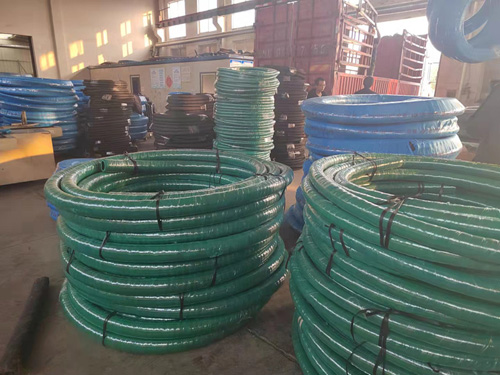
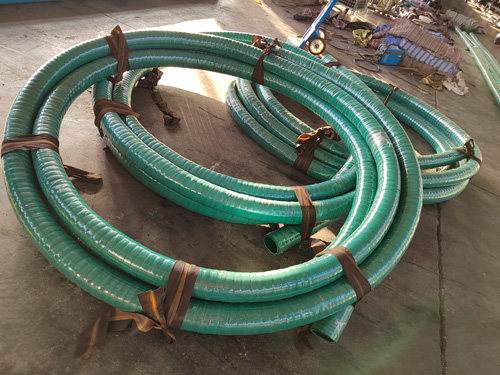
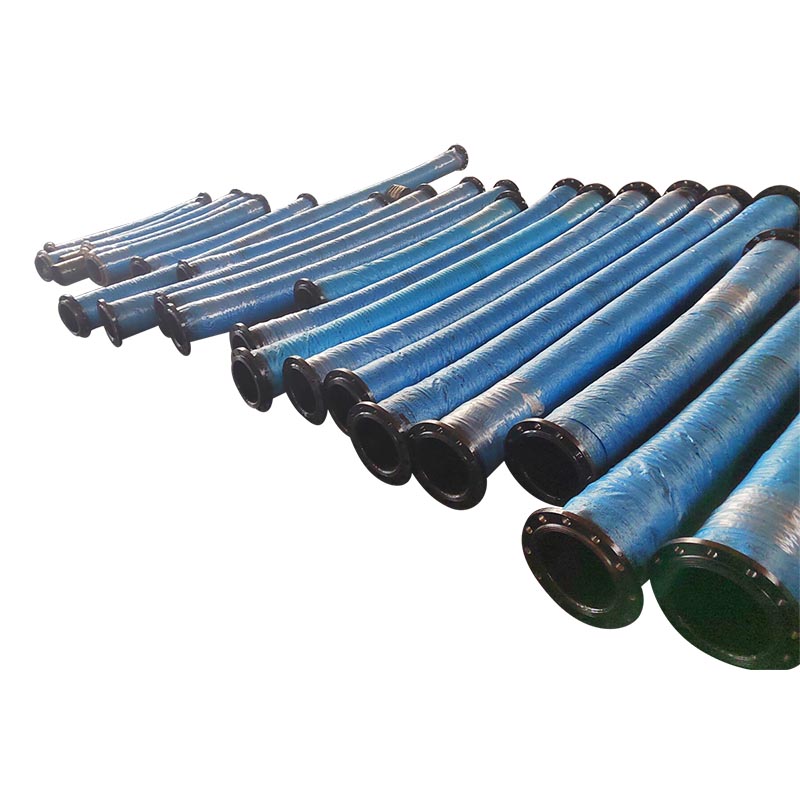
Large diameter rubber tubes are essential components in multiple industries, from chemical processing to petroleum, food, and fire protection. This article provides a comprehensive overview of their features, applications, selection tips, and advantages, helping businesses optimize operational efficiency with durable and reliable solutions provided by Fushuo.
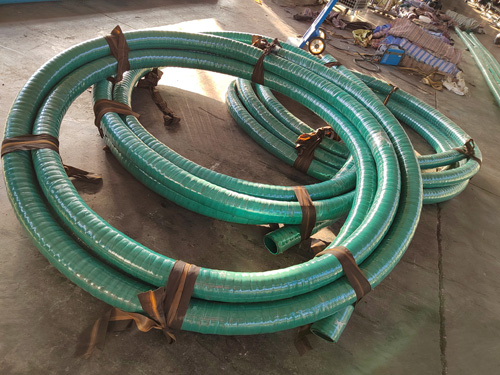
Cloth rubber tubes are essential components widely used in industrial, automotive, and mechanical systems for fluid transfer, vibration damping, and protective insulation. This article explores the material properties, performance standards, and application versatility of cloth rubber tubes. It provides detailed product specifications, practical usage guidance, and addresses common challenges in selection and maintenance, helping engineers and procurement professionals make informed decisions.
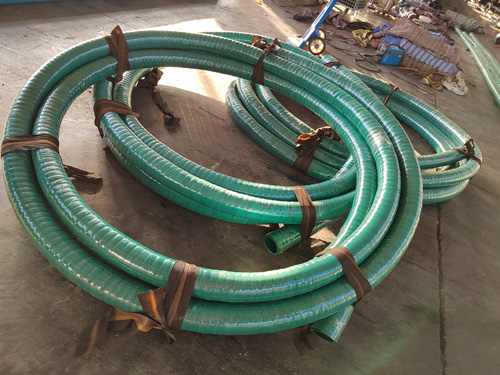
Large diameter rubber tube products are widely adopted across industrial, agricultural, mining, and fluid handling systems due to their adaptability for high-volume transfer, abrasion resistance, flexibility, and environmental resilience. This article details practical applications, material influences, design considerations, performance comparisons, and common challenges when selecting and using these tubes. It provides clear technical insight into materials such as EPDM and silicone rubber, outlines specification guidance, and addresses real-world selection criteria to assist engineers, maintenance professionals, and procurement teams in choosing reliable solutions for demanding environments.
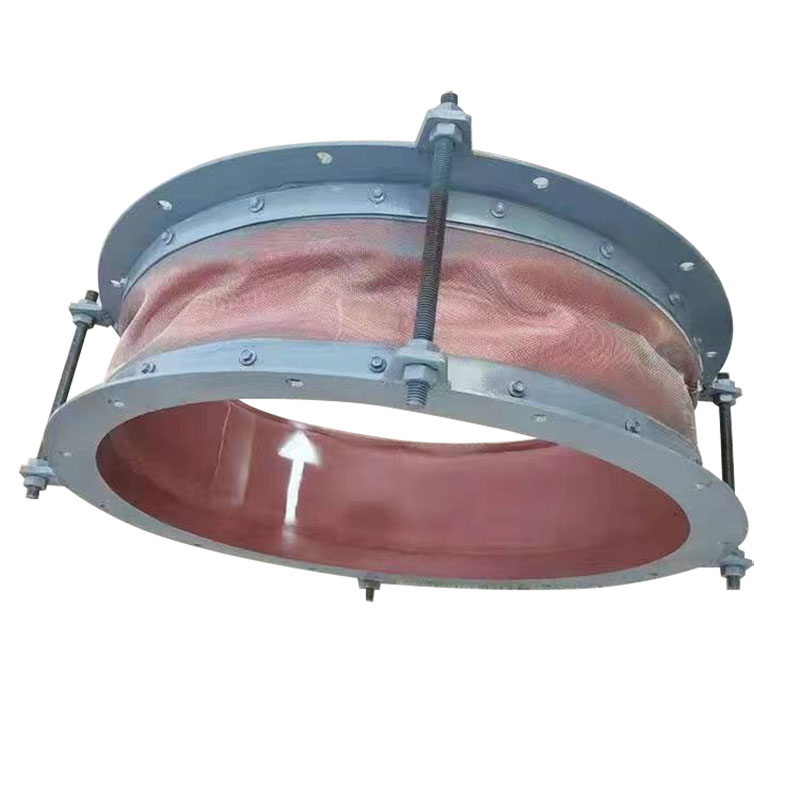
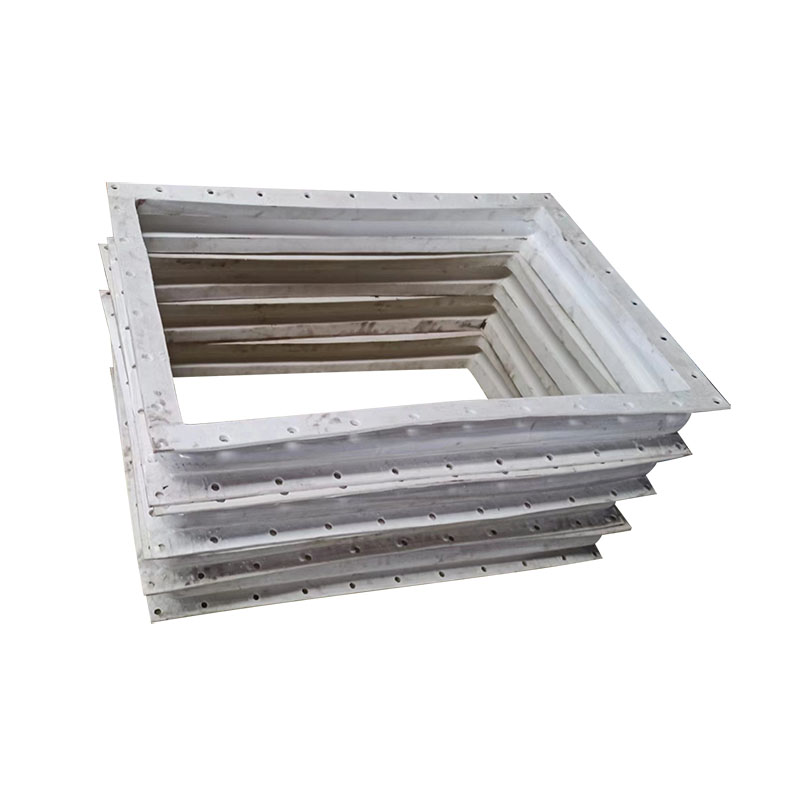
Non-metallic pipe compensators are essential components in modern piping systems, designed to absorb thermal expansion, reduce vibration, and protect pipeline integrity. This article explores their design, applications, benefits, and practical considerations for industries ranging from chemical processing to nuclear energy.