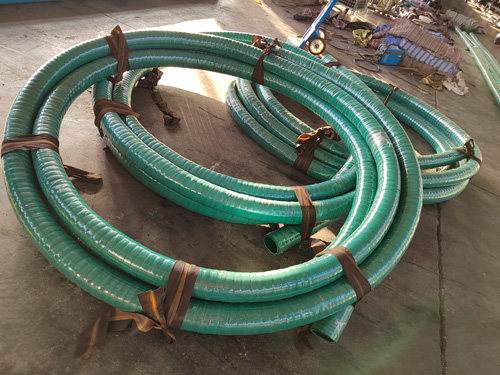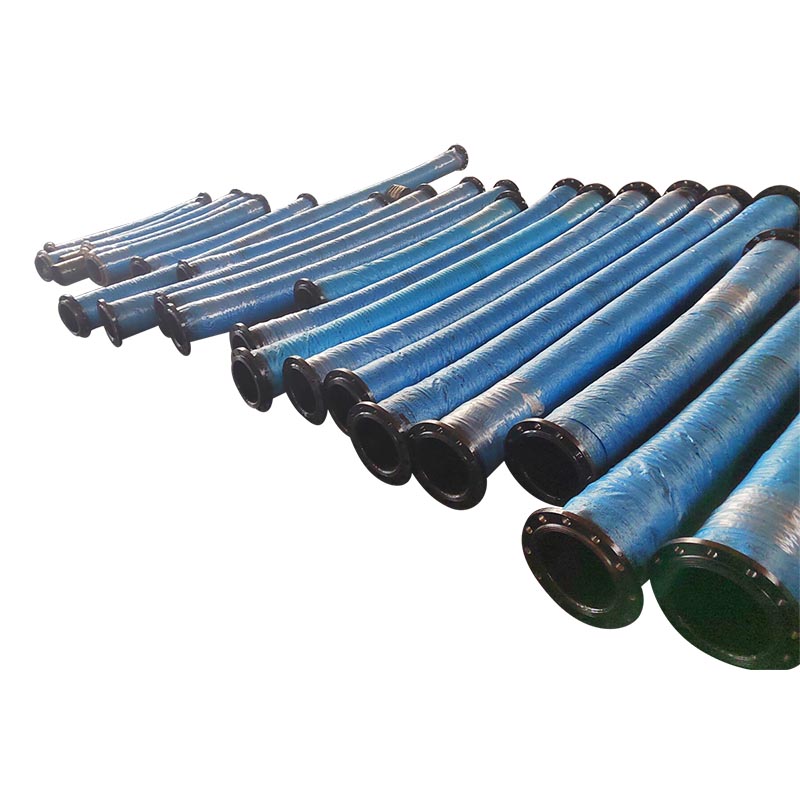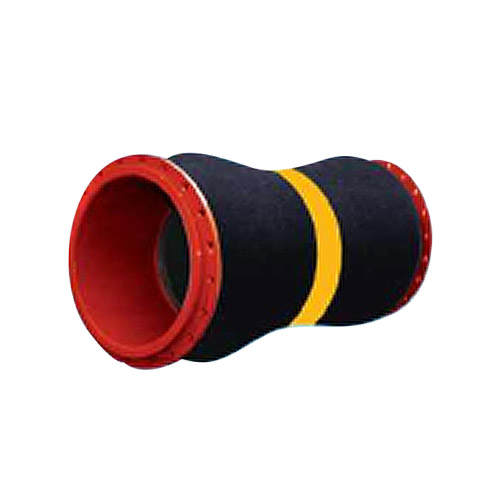

A Sandblasting Rubber Tube is a critical industrial component designed for conveying abrasive media such as sand, steel grit, coal slag, and mineral particles under high pressure. This article provides a comprehensive analysis of Sandblasting Rubber Tube design principles, material composition, performance parameters, application environments, and compliance standards.
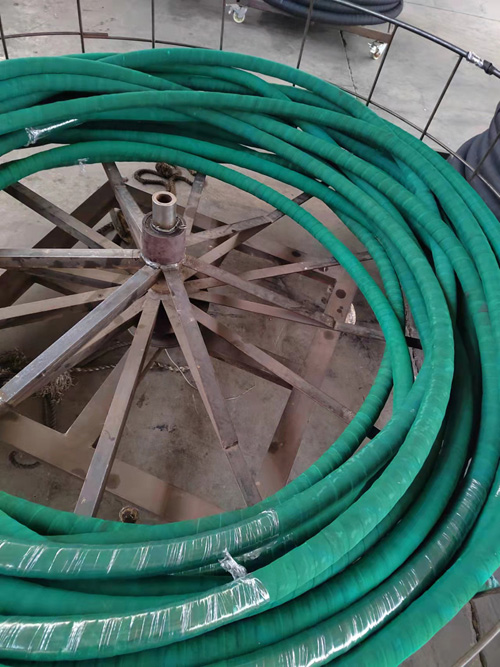
A Sandblasting Rubber Tube, also referred to in industrial contexts as a sandblasting hose or abrasive rubber tube, is engineered to transport high-velocity abrasive materials from blasting equipment to target surfaces. These tubes operate under extreme internal friction, continuous impact, and variable pressure conditions, making material selection and structural reinforcement decisive factors in service life.
The central purpose of a Sandblasting Rubber Tube is to ensure stable abrasive flow while minimizing internal wear, pressure loss, and safety risks. Unlike standard rubber hoses, sandblasting tubes are manufactured with specialized inner linings that resist abrasion, tearing, and particle embedding. This article focuses on the technical logic behind these products, detailing how design parameters influence performance and operational efficiency across industries such as shipbuilding, steel fabrication, mining, and infrastructure maintenance.
Sandblasting Rubber Tubes are typically constructed using a three-layer composite structure. Each layer serves a distinct mechanical and functional role, collectively enabling long-term abrasive resistance and pressure stability.
The following table summarizes standard parameters commonly used to evaluate Sandblasting Rubber Tube performance. These parameters may vary depending on operating pressure, abrasive type, and industry requirements.
| Parameter | Typical Specification Range |
|---|---|
| Inner Diameter | 19 mm – 305 mm |
| Working Pressure | 0.6 MPa – 1.2 MPa |
| Burst Pressure | ≥ 3 × Working Pressure |
| Temperature Range | -20°C to +80°C |
| Abrasion Loss | ≤ 60 mm³ (DIN standard reference) |
Sandblasting Rubber Tubes are commonly manufactured in accordance with international and regional standards such as ISO, DIN, and SAE. Compliance ensures predictable performance under specified pressure and abrasion conditions. In regulated markets, conformity to REACH and RoHS environmental directives is increasingly expected.
In surface treatment operations, Sandblasting Rubber Tubes deliver abrasive media used to remove rust, paint, and contaminants. Stable flow and minimal pressure fluctuation are essential to ensure uniform surface roughness before coating or welding processes.
Mining environments impose high wear conditions due to angular and dense particles. Sandblasting Rubber Tubes used in these settings must exhibit superior cut resistance and flexibility to adapt to complex routing without structural fatigue.
Marine applications expose rubber tubes to salt spray, humidity, and temperature variation. Outer rubber compounds are therefore selected to resist corrosion-related degradation while maintaining elasticity over extended service cycles.
In bridge maintenance, steel structure refurbishment, and large-scale construction projects, sandblasting tubes are used intermittently but under intense load. Quick-connect compatibility and predictable pressure behavior are key selection criteria.
Q: How does a Sandblasting Rubber Tube differ from a standard industrial rubber hose?
A: A Sandblasting Rubber Tube uses a specially formulated inner lining with significantly higher abrasion resistance, reinforced layers designed for particle impact, and stricter pressure safety margins compared to general-purpose rubber hoses.
Q: How is service life influenced by abrasive type?
A: Abrasive hardness, particle shape, and flow velocity directly affect wear rates. Angular media such as steel grit cause faster liner erosion than rounded sand particles, making liner compound selection critical.
Q: How should Sandblasting Rubber Tubes be stored and maintained?
A: Tubes should be stored away from direct sunlight, ozone sources, and excessive heat. Regular inspection for liner thinning, outer cracks, and coupling integrity helps prevent unexpected downtime.
Future advancements in Sandblasting Rubber Tube manufacturing are driven by material science innovation and digitalized industrial processes. Developments include nano-reinforced rubber compounds to reduce abrasion loss, lighter reinforcement structures to improve handling efficiency, and extended service monitoring through wear indicators embedded within the tube wall.
Environmental considerations are also shaping product evolution. Low-VOC rubber formulations, recyclable reinforcement materials, and extended-life designs contribute to reduced resource consumption and improved lifecycle performance.
Within the global industrial hose supply landscape, Fushuo has established a stable reputation for manufacturing Sandblasting Rubber Tubes that align with international quality benchmarks and diverse application requirements. Through consistent material selection and controlled production processes, Fushuo products are designed to support abrasive transport operations across multiple industrial sectors.
For detailed technical specifications, customization options, or project-specific recommendations, contact us to discuss application parameters and operational conditions. Professional consultation enables accurate product matching and long-term operational reliability.