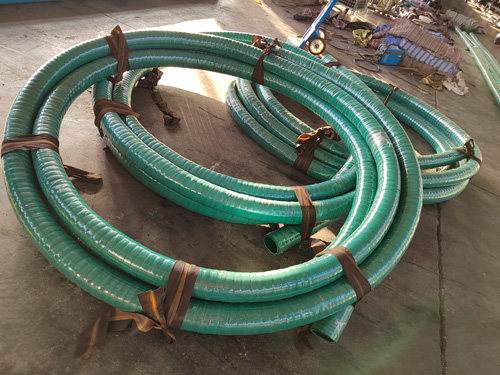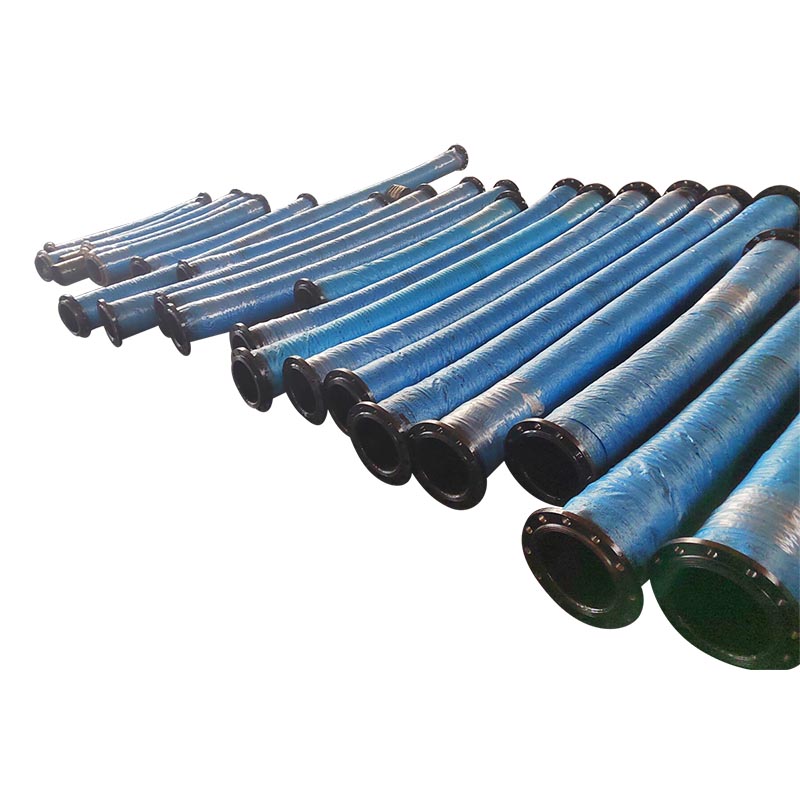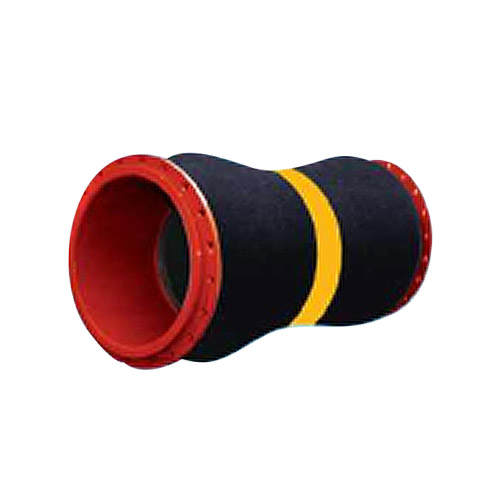

Cloth rubber tubes are essential components widely used in industrial, automotive, and mechanical systems for fluid transfer, vibration damping, and protective insulation. This article explores the material properties, performance standards, and application versatility of cloth rubber tubes. It provides detailed product specifications, practical usage guidance, and addresses common challenges in selection and maintenance, helping engineers and procurement professionals make informed decisions.
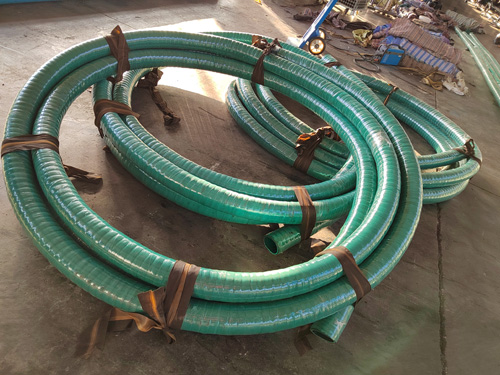
Cloth rubber tubes are reinforced rubber hoses designed with embedded fabric layers to enhance strength, flexibility, and durability. Their construction allows them to withstand high pressure, repeated bending, and environmental stress such as heat, oil, and chemical exposure. These tubes are commonly employed in hydraulic systems, fuel transfer, and protective covers for wiring or mechanical parts.
Modern cloth rubber tubes combine elastomeric properties with fabric reinforcement, providing a balance between elasticity and mechanical resistance. The result is a versatile tube suitable for demanding industrial and automotive applications, offering longevity and reliability under continuous operation.
Understanding the material composition and performance metrics is crucial for selecting the appropriate cloth rubber tube. The table below summarizes typical specifications:
| Parameter | Typical Range / Feature |
|---|---|
| Material | Natural Rubber, Nitrile Rubber, EPDM |
| Reinforcement | Polyester, Cotton, Aramid fabric |
| Working Pressure | 0.5 to 3.0 MPa |
| Temperature Range | -40°C to 120°C |
| Outer Surface | Oil-resistant, abrasion-resistant, smooth or textured |
| Inner Lining | Oil-resistant, fuel-resistant, chemical-resistant |
| Reinforced Layers | 1 to 3 layers depending on pressure rating |
| Flexibility | Good bend radius, resists kinking |
Cloth rubber tubes are employed in multiple industries due to their adaptability and robust performance. Key application areas include:
These applications demonstrate the importance of selecting the correct material and reinforcement combination to match operating conditions, pressure requirements, and environmental exposure.
Proper maintenance ensures longevity and reduces the risk of operational failure. Key considerations include:
Adherence to these guidelines ensures that cloth rubber tubes maintain their performance and reliability throughout the intended service life.
Q: What factors should be considered when choosing a cloth rubber tube?
A: Key factors include working pressure, temperature range, chemical exposure, and required flexibility. Material selection must align with the specific fluid or gas conveyed and operating environment.
Q: How long can a cloth rubber tube last under normal industrial conditions?
A: Typical service life ranges from 3 to 10 years, depending on pressure cycles, temperature, and chemical exposure. Regular inspections help identify wear before failure occurs.
Q: Can cloth rubber tubes be used for high-pressure hydraulic applications?
A: Yes, reinforced cloth layers provide enhanced strength and pressure resistance. However, confirm the pressure rating and reinforcement layer count match the hydraulic system requirements.
Cloth rubber tubes offer a reliable solution for fluid transfer, protective sleeving, and vibration damping across automotive, industrial, and agricultural applications. Their reinforced construction ensures durability, flexibility, and resistance to mechanical and chemical stresses.
Fushuo manufactures high-quality cloth rubber tubes designed to meet diverse operational demands. For product inquiries, custom specifications, or technical support, contact us directly to discuss your project requirements and receive professional guidance.