
Summary: Silicone rubber tubes are essential components across a wide range of industries due to their flexibility, durability, and resistance to extreme conditions. This article explores how silicone rubber tubes function, their types, advantages, and common applications. By understanding these factors, businesses can optimize processes and enhance product reliability.
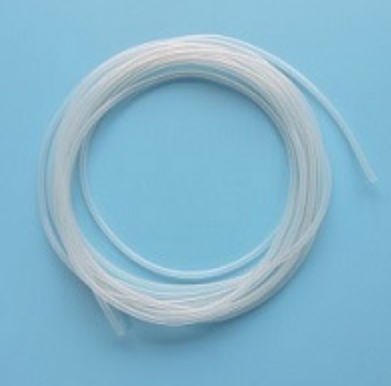
Silicone rubber tubes are flexible, elastic tubing made from high-quality silicone material. They are engineered to maintain performance under high temperatures, corrosive environments, and mechanical stress. Unlike conventional plastic or PVC tubes, silicone rubber provides superior thermal stability, chemical resistance, and long-term durability.
Common characteristics include:
Silicone rubber tubes are available in various designs and specifications to meet diverse industrial needs. Choosing the right type depends on factors like pressure requirements, chemical exposure, and temperature range.
| Type | Description | Common Uses |
|---|---|---|
| Solid Silicone Tube | Compact and highly flexible, suitable for general industrial use. | Fluid transfer, protective coverings, pneumatic systems |
| Hollow Silicone Tube | Hollow inner channel allows fluid or gas flow while maintaining flexibility. | Medical applications, laboratory use, food and beverage transfer |
| Reinforced Silicone Tube | Embedded fibers or braids provide additional strength for high-pressure applications. | Hydraulic systems, industrial machinery, automotive use |
| Clear Silicone Tube | Transparent material for visual monitoring of fluid or gas flow. | Laboratory, food, and pharmaceutical industries |
Silicone rubber tubes are widely used because of their unique combination of properties. Key benefits include:
Silicone rubber tubes are versatile and used in multiple sectors:
Selecting the proper silicone rubber tube involves evaluating several technical factors:
Using a reputable supplier like Fushuo ensures consistent quality, customization options, and expert technical support.
Q1: Are silicone rubber tubes suitable for high-pressure applications?
Yes, reinforced silicone tubes with embedded fibers or braids are designed for high-pressure environments, providing durability and preventing deformation.
Q2: Can silicone tubes handle both hot and cold fluids?
Absolutely. Standard silicone tubes operate safely from -60°C up to 230°C, making them ideal for both extreme hot and cold fluid transfer.
Q3: Are silicone tubes safe for food and medical use?
Yes, food-grade and medical-grade silicone tubes meet FDA or equivalent standards, ensuring safe contact with consumables and sensitive fluids.
Enhance your industrial operations with high-quality silicone rubber tubes from Fushuo. Explore a wide range of customizable options to suit every application. For inquiries, product specifications, or quotes, contact us today and get professional guidance tailored to your business needs.