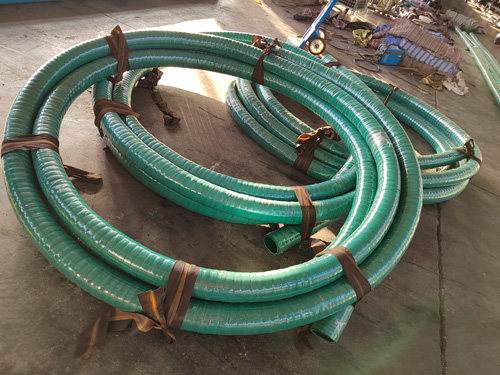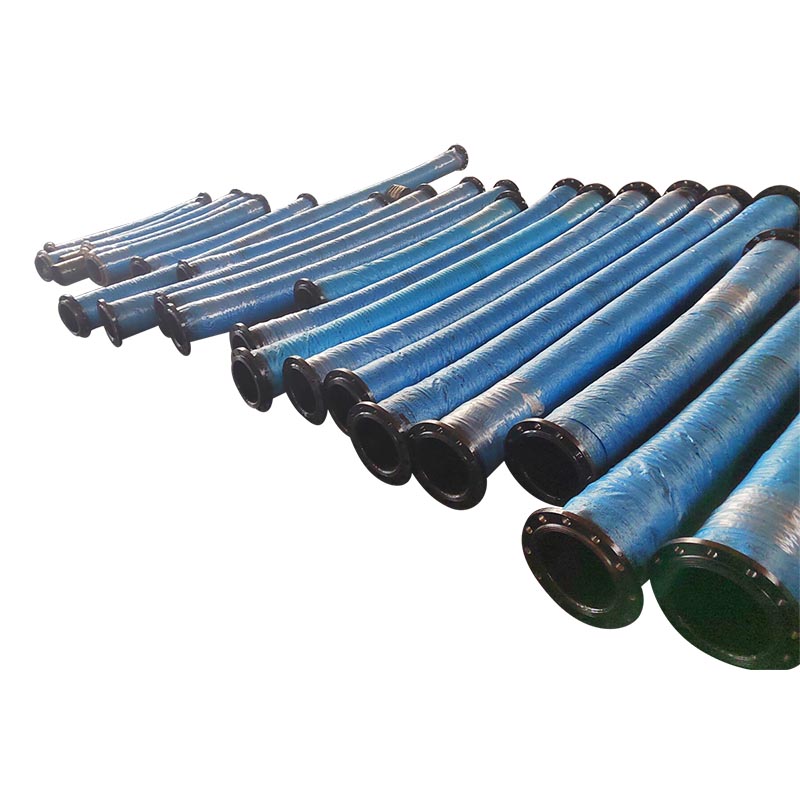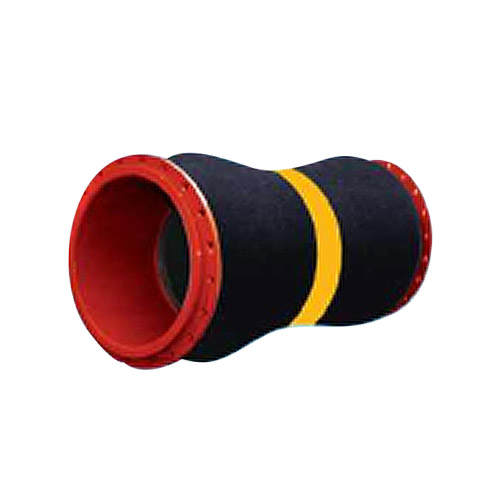

Large diameter rubber tube products are widely adopted across industrial, agricultural, mining, and fluid handling systems due to their adaptability for high-volume transfer, abrasion resistance, flexibility, and environmental resilience. This article details practical applications, material influences, design considerations, performance comparisons, and common challenges when selecting and using these tubes. It provides clear technical insight into materials such as EPDM and silicone rubber, outlines specification guidance, and addresses real-world selection criteria to assist engineers, maintenance professionals, and procurement teams in choosing reliable solutions for demanding environments.
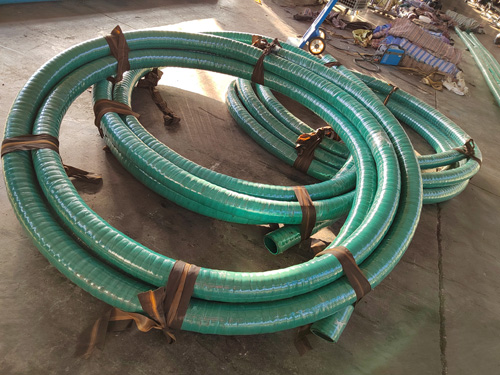
Across construction, manufacturing, and bulk material processing, conventional piping systems often struggle with wear, chemical exposure, or frequent movement. Large diameter rubber tube configurations accommodate high-volume flows while maintaining flexibility under mechanical stress. For systems that continuously transfer fluids, slurries, or gases, rubber tubing provides dynamic bending and vibration tolerance without rigid support structures. Rubber tube solutions also simplify routing in complex layouts where rigid pipes face installation constraints.
Materials used for large diameter rubber tubes influence operational longevity and resistance to environmental factors:
Different materials and compounding strategies determine abrasion resistance, chemical compatibility, temperature limits, and flexibility — key performance factors when tubes operate in extreme or continuous-service conditions.
Selecting the appropriate large diameter rubber tube requires understanding key technical parameters. The table below outlines typical specification ranges and performance considerations:
| Specification | Typical Range or Feature |
|---|---|
| Inner Diameter | 50 mm to 500+ mm (varies with industry need) |
| Operating Temperature | -40°C to +250°C (depending on material) |
| Pressure Rating | Low to High pressure with reinforcement |
| Flexibility | High bending tolerance without kinking |
| Reinforcement Options | Textile or steel wire braid |
| Chemical Compatibility | Standard to custom compounds for acids, bases, slurry |
These parameters help engineering teams balance performance outcomes against operational demands, such as abrasion resistance for solids handling or thermal resistance for hot fluid applications.
Large diameter rubber tubes are engineered to meet a broad spectrum of industrial requirements where standard hoses or rigid pipes may fall short:
When evaluating large diameter rubber tubes for specific systems, several practical factors should guide decision making:
Q: What distinguishes large diameter rubber tube from standard hoses?
A: Large diameter tubes are designed with greater inner bore size to handle higher flow rates, accommodate solids or slurries, and offer flexibility without rigid support. Reinforcement layers often improve pressure performance and resistance to collapse under variable pumping conditions.
Q: Can large diameter rubber tubes operate in extreme temperature settings?
A: Yes. Materials such as silicone rubber and EPDM can operate across wide temperature ranges from well below freezing to elevated temperatures, maintaining flexibility and structural integrity in demanding thermal environments.
Q: How do reinforcement structures impact tube performance?
A: Reinforcement with braided textiles or embedded steel wire significantly enhances burst strength and kink resistance. This enables large diameter tubes to function under higher pressures and reduces the risk of deformation during suction or discharge operations.
Q: What industries benefit most from large diameter rubber tube solutions?
A: Industries such as mining, food and beverage manufacturing, chemical processing, irrigation, and construction find large diameter rubber tubes particularly beneficial due to their ability to handle fluid, slurry, and abrasive materials efficiently under continuous or cyclic use.
Large diameter rubber tube products provide adaptable, high-performance solutions for fluid transfer and handling challenges across industrial sectors. Their customizable material properties, reinforcement options, and robust performance under varying conditions make them reliable choices where system longevity and operational flexibility are priorities.
For tailored solutions, detailed specifications, and project consultation on large diameter rubber tube applications, Fushuo invites industry professionals to connect for technical support and optimized product selection. Contact us to explore custom configurations and engineering partnerships.