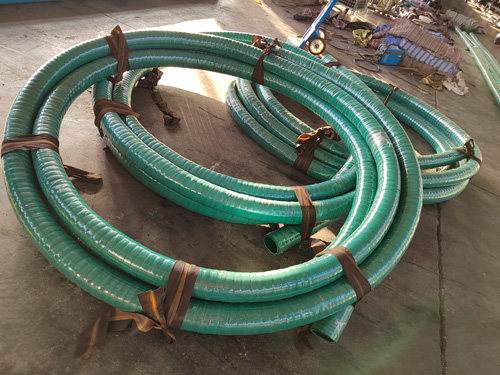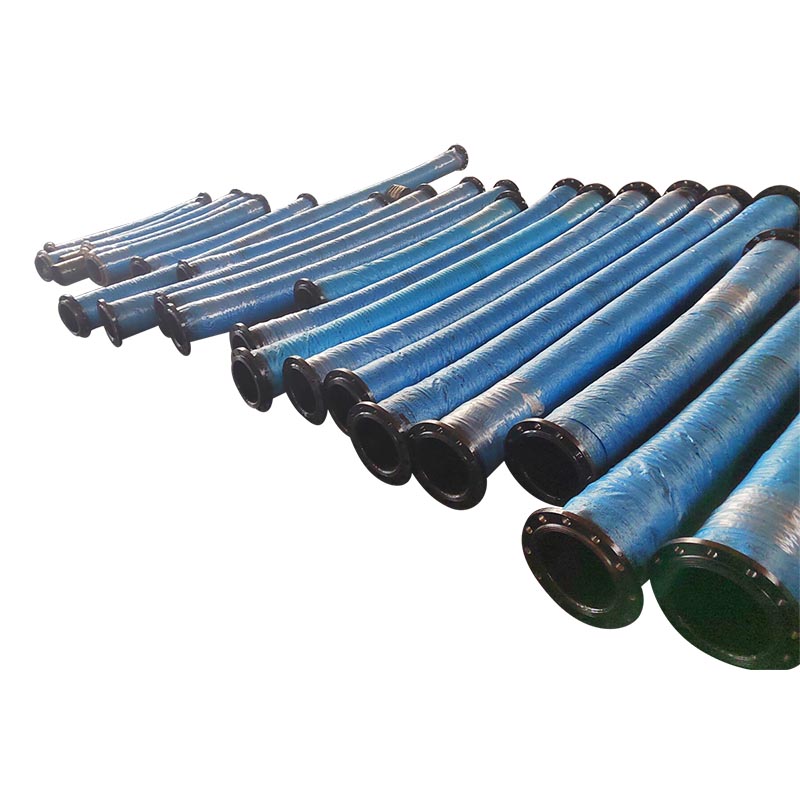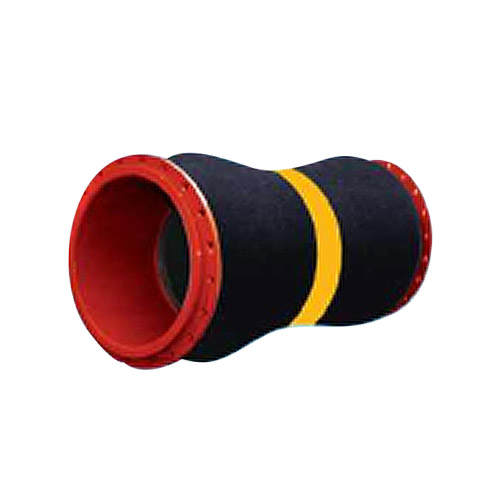

A suction mud rubber tube is a heavy-duty industrial hose designed to transport abrasive materials such as mud, slurry, sand, and sewage. It plays a crucial role in dredging, mining, construction, and port engineering by enabling efficient suction and transfer of sediment. Built with abrasion-resistant rubber layers and reinforced structures, this type of hose maintains stability under negative pressure and harsh environments. This article explains how a suction mud rubber tube works, its structural design, performance advantages, application scenarios, and how to select the right model for industrial projects.
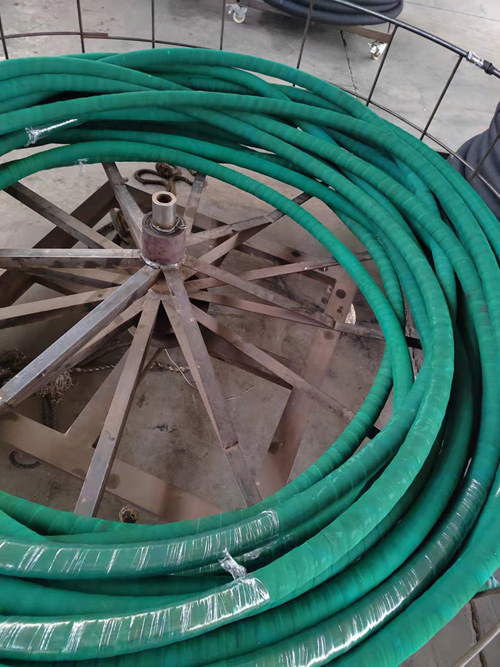
A suction mud rubber tube is a specialized rubber hose designed to handle the suction and transfer of mud, slurry, sand, and other abrasive materials in industrial environments. It is widely used in dredging systems, mining operations, construction sites, and marine engineering.
Unlike ordinary rubber hoses, suction mud tubes must withstand strong vacuum pressure without collapsing while transporting heavy sediment materials. To achieve this, they are typically reinforced with high-tensile fabric layers and steel wire structures that provide additional strength and flexibility.
These hoses are capable of transporting mixtures such as seawater, sludge, gravel, and slurry, making them essential for dredging and sediment removal operations. Their durable construction also allows them to resist abrasion, corrosion, weather exposure, and mechanical stress. :contentReference[oaicite:0]{index=0}
The working principle of a suction mud rubber tube is based on vacuum pressure generated by pumps or dredging equipment. The tube connects the dredging machinery to the suction pipeline, allowing mud or slurry to be drawn into the system and transported to a discharge area.
Operational Process:
The internal surface of the tube is designed to be smooth, reducing friction and preventing blockages when transporting abrasive materials. This ensures continuous material flow during dredging operations. :contentReference[oaicite:1]{index=1}
High-performance suction hoses typically contain three main structural layers that ensure durability and reliability in harsh conditions.
| Layer | Material | Function |
|---|---|---|
| Inner Tube | Abrasion-resistant synthetic rubber (NR, SBR, or BR) | Protects against wear caused by sand, gravel, and slurry |
| Reinforcement Layer | High-tensile fabric and spiral steel wire | Prevents collapse under vacuum pressure and improves structural strength |
| Outer Cover | Weather-resistant synthetic rubber | Protects against UV, seawater, corrosion, and mechanical damage |
The reinforcement layer plays a particularly important role because it maintains hose shape even under strong suction forces and heavy loads. :contentReference[oaicite:2]{index=2}
Industrial buyers typically evaluate suction mud rubber tubes based on several performance parameters. These specifications determine the hose's suitability for different working environments.
| Parameter | Typical Range |
|---|---|
| Working Temperature | -25°C to +80°C |
| Working Pressure | 3 – 15 bar |
| Burst Pressure | Up to 35 bar |
| Diameter Range | 300 mm – 1200 mm |
| Vacuum Resistance | Up to 0.9 bar vacuum |
| Standard Length | 1 – 3 meters per section |
These specifications vary depending on project requirements such as dredging depth, material density, and pump capacity.
Suction mud rubber tubes are widely used in industries that require the transport of abrasive or sediment-laden materials.
In dredging operations, the hose connects dredging equipment to pipelines that transport sediment to disposal or treatment sites, significantly improving operational efficiency. :contentReference[oaicite:3]{index=3}
High-performance suction mud rubber tubes provide several technical advantages that are essential for industrial environments.
These characteristics help minimize downtime and maintenance costs in large-scale dredging or mining operations.
Selecting the correct hose is essential for ensuring efficiency and safety. Buyers should consider the following factors:
Manufacturers such as Fushuo provide customized suction mud rubber tubes designed for specific dredging and industrial applications.
Proper maintenance extends the service life of suction hoses and ensures safe operation.
Routine inspection can detect early damage and prevent unexpected failures during operation.
Most suction mud rubber tubes use synthetic rubber such as NR, SBR, or BR for the inner layer, reinforced with textile plies and spiral steel wires to provide strength and vacuum resistance.
Yes. These hoses are specifically designed to transport abrasive materials such as sand, gravel, sludge, and slurry without rapid wear.
They are commonly used in dredging projects, mining operations, construction engineering, port maintenance, and environmental sediment removal.
The lifespan depends on material quality, operating pressure, and abrasion levels. High-quality hoses can operate for several years with proper maintenance.
A suction mud rubber tube is a critical component in dredging and slurry transportation systems. Its reinforced structure, abrasion-resistant materials, and ability to withstand vacuum pressure make it ideal for demanding industrial environments. By selecting the correct specifications and maintaining the hose properly, companies can significantly improve operational efficiency and reduce maintenance costs.
Fushuo specializes in manufacturing durable suction mud rubber tubes engineered for demanding dredging and industrial applications. If you are looking for reliable solutions that combine durability, flexibility, and high performance, our team is ready to assist you. Contact us today to discuss your project requirements and receive professional support for your next dredging or slurry transport system.