
Article Summary
Cloth rubber tubes are widely used in industrial fluid transportation systems due to their excellent durability, pressure resistance, and flexibility. By integrating textile reinforcement layers into rubber tubing, manufacturers create a composite structure capable of handling demanding working environments. This article explains how cloth rubber tubes work, their structural design, major benefits, common industrial applications, and how to choose the right specification for your needs. It also addresses common customer concerns such as durability, pressure tolerance, and maintenance.
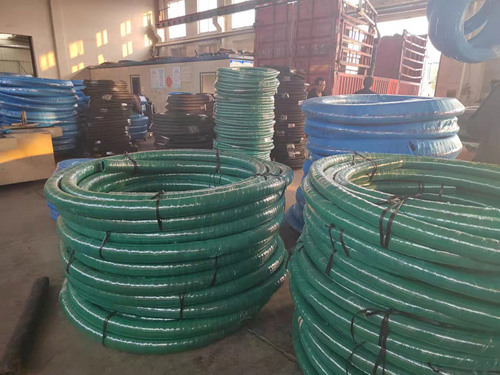
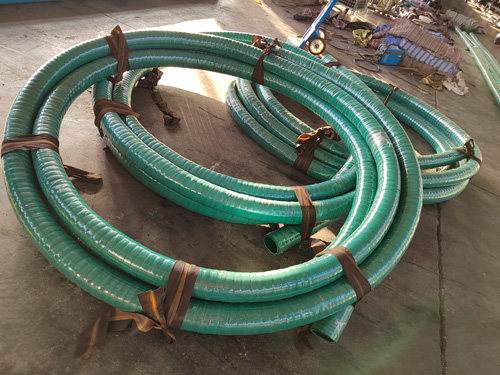
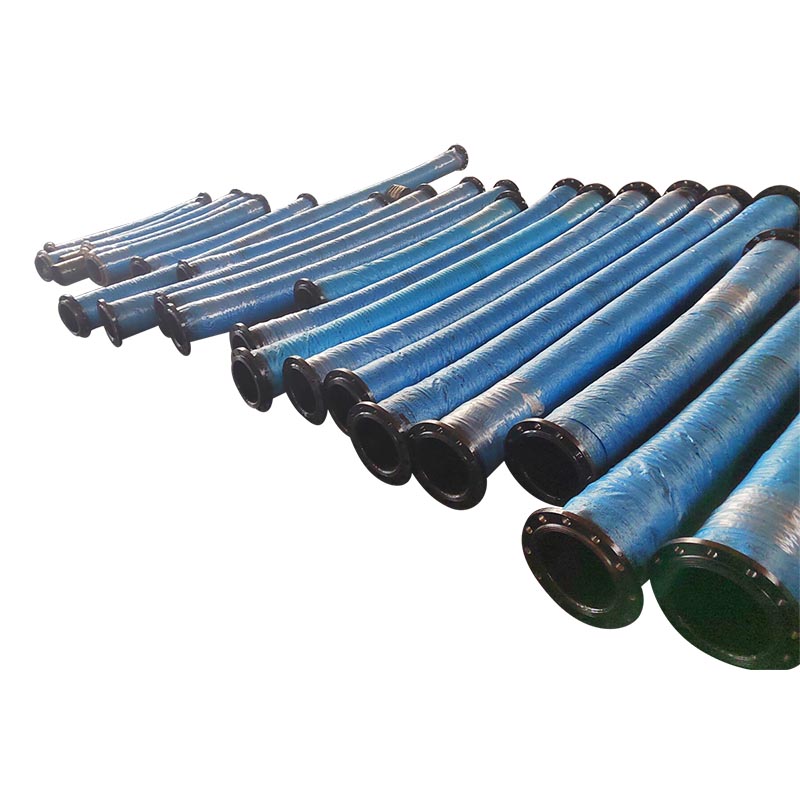
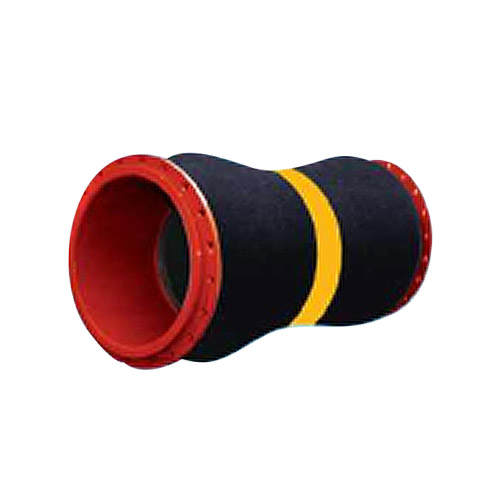
A cloth rubber tube, also called a fabric-reinforced rubber hose, is a flexible pipeline constructed from synthetic rubber combined with layers of woven textile reinforcement. The textile layer—often made from cotton, nylon, or polyester—provides structural strength and pressure resistance while maintaining flexibility.
Unlike ordinary rubber tubing, which may deform or rupture under pressure, cloth rubber tubes integrate fabric layers between rubber compounds. This reinforced structure improves tensile strength, abrasion resistance, and operational stability. According to industrial hose design principles, the combination of rubber layers and fabric reinforcement significantly increases durability and makes the tube suitable for transporting liquids, gases, and powders in industrial systems. :contentReference[oaicite:0]{index=0}
Typical transported media include:
Because of this versatility, cloth rubber tubes are widely used in industries such as construction, mining, agriculture, and manufacturing.
The working principle of a cloth rubber tube relies on a multilayer composite structure that distributes internal pressure and external mechanical forces across several materials.
When fluid flows through the tube, internal pressure pushes outward against the rubber lining. The embedded textile reinforcement absorbs this pressure and prevents the tube from expanding excessively or bursting. The outer rubber layer protects the reinforcement from abrasion, weather exposure, and chemical contact.
This cooperative interaction between materials creates a hose system capable of withstanding significant stress while maintaining flexibility.
Operational process:
This design allows cloth rubber tubes to handle medium to high pressure conditions in demanding industrial environments.
Understanding the structure of cloth rubber tubes helps explain their reliability and performance.
| Component | Material | Function |
|---|---|---|
| Inner Tube | NBR, EPDM, NR or SBR Rubber | Provides smooth flow and chemical resistance |
| Reinforcement Layer | Cotton fabric, polyester, or nylon | Strengthens the tube and withstands internal pressure |
| Outer Cover | Synthetic rubber | Protects against abrasion, weather, and mechanical damage |
| Optional Layers | Multiple textile plies | Enhances pressure resistance and durability |
In high-performance hoses, multiple fabric layers are embedded between rubber layers, creating a strong yet flexible pipeline capable of handling heavy industrial use.
Many industries choose cloth rubber tubes because they offer significant performance advantages compared with ordinary rubber hoses.
These advantages make cloth rubber tubes suitable for both stationary systems and dynamic machinery applications.
Cloth rubber tubes are widely used across multiple industries because they can transport various media safely and efficiently.
Common application areas include:
In factories and workshops, cloth rubber tubes often serve as flexible pipelines connecting pumps, compressors, and hydraulic equipment. Their ability to resist abrasion and pressure makes them reliable in demanding environments.
Cloth rubber tubes are available in a wide range of sizes and pressure ratings to meet different industrial requirements.
| Parameter | Typical Range |
|---|---|
| Inner Diameter | 13 mm – 150 mm |
| Working Pressure | 0.3 MPa – 1.6 MPa |
| Temperature Range | -20°C to 60°C (standard) |
| Reinforcement Layers | 1 – 4 textile plies |
| Length | 10 m – 20 m per roll |
Custom sizes, pressure ratings, and rubber materials are often available depending on the intended industrial application.
Selecting the correct cloth rubber tube is essential for safety and operational efficiency. Several technical factors should be considered before purchasing.
Important selection criteria:
Working with experienced manufacturers helps ensure that the hose specification matches the technical requirements of your equipment.
Proper maintenance can significantly extend the lifespan of cloth rubber tubes.
Routine inspection and preventive maintenance reduce downtime and improve operational safety.
Q1: What makes cloth rubber tubes stronger than ordinary rubber hoses?
The embedded textile reinforcement layers distribute pressure and mechanical stress, preventing deformation and rupture during operation.
Q2: What materials are commonly used in cloth reinforcement?
Cotton, polyester, and nylon fabrics are commonly used because they offer high tensile strength and flexibility.
Q3: Can cloth rubber tubes transport oil or chemicals?
Yes. When made with suitable rubber compounds such as nitrile rubber (NBR), cloth rubber tubes can safely transport oils, fuels, and many industrial chemicals.
Q4: How long do cloth rubber tubes typically last?
Service life depends on working conditions, pressure levels, and maintenance practices. Under proper usage conditions, industrial hoses can operate reliably for several years.
Cloth rubber tubes play a vital role in modern industrial fluid transportation systems. Their reinforced structure combines the flexibility of rubber with the strength of textile materials, creating a durable and reliable solution for high-pressure and demanding environments. From construction sites to manufacturing plants, these tubes provide safe and efficient transfer of liquids, gases, and abrasive materials.
For businesses seeking dependable and customizable cloth rubber tubing solutions, Tianjin Fuyaolai Technology Co., Ltd. provides professional manufacturing and technical support. The company offers high-quality cloth rubber tubes designed for durability, safety, and long-term performance across various industries.
If you are looking for reliable industrial hose solutions tailored to your specific requirements, contact us today to learn more about available specifications, customization options, and professional technical support.