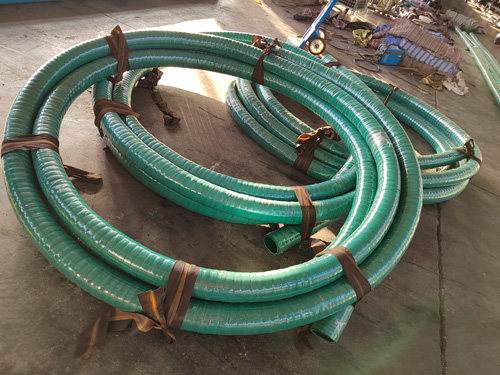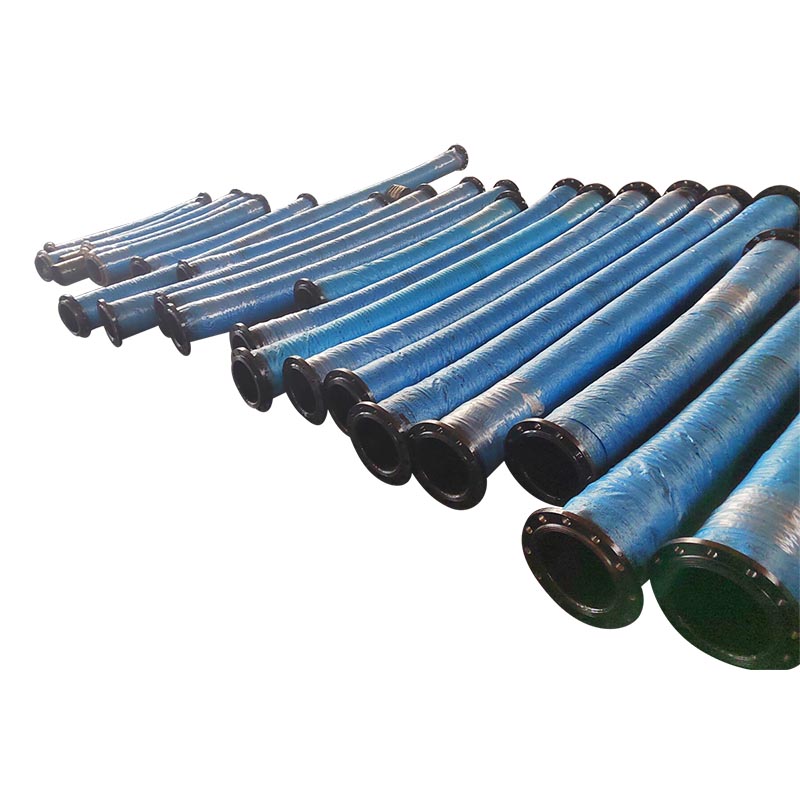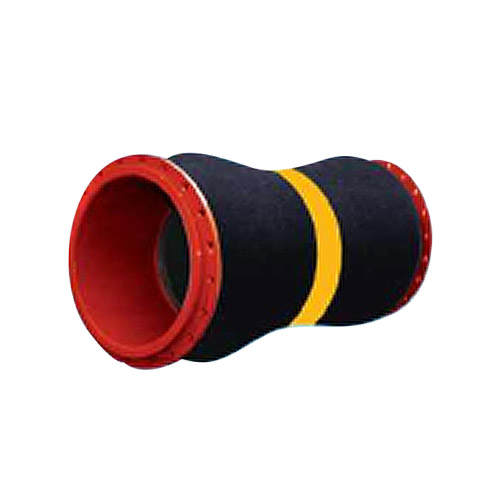

Steam rubber tubes are essential components in various industrial applications, ensuring safe and efficient steam transfer, high-temperature resistance, and reliable performance under pressure. This article explores the technical aspects, material selection, and practical usage of steam rubber tubes to help manufacturers, engineers, and facility managers address common operational challenges. By understanding key performance factors and maintenance strategies, businesses can optimize productivity while minimizing downtime and safety risks.
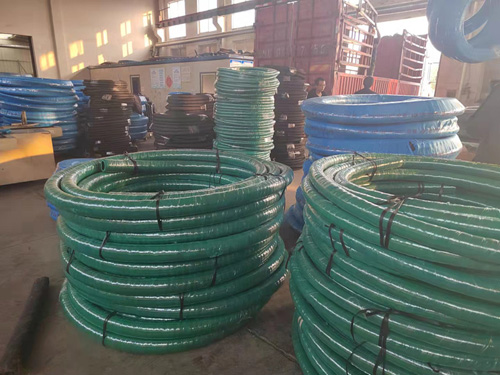
Steam rubber tubes are flexible conduits designed to transport high-temperature steam safely and efficiently. Constructed from specialized rubber compounds reinforced with textile fibers or synthetic layers, they provide excellent resistance to heat, pressure, and wear. Steam rubber tubes are critical in boilers, heating systems, sterilization equipment, and chemical processing plants.
Fushuo manufactures steam rubber tubes that comply with industrial standards, ensuring reliable performance and longevity even in demanding environments.
Customers using steam rubber tubes frequently encounter operational challenges that impact efficiency, safety, and cost. Understanding these issues can help mitigate risks:
Addressing these pain points requires proper material selection, installation, and maintenance procedures.
Steam rubber tubes can be classified according to material composition, reinforcement type, and intended application:
Choosing the appropriate steam rubber tube involves careful consideration of operating conditions, safety requirements, and material properties:
Fushuo offers technical guidance to help clients select steam rubber tubes that match their specific operational needs and environmental conditions.
Proper installation ensures optimal performance and safety. Key considerations include:
Following these guidelines reduces risk of premature failure and increases operational efficiency.
| Tube Type | Temperature Range | Pressure Rating | Key Advantages | Applications |
|---|---|---|---|---|
| EPDM | -40°C to 150°C | High | Heat and steam resistant, durable | Boilers, industrial heating |
| SBR | -30°C to 100°C | Medium | Cost-effective, flexible | General steam lines, moderate conditions |
| Silicone | -60°C to 200°C | Medium | High-temperature tolerance, chemical resistant | Food, pharmaceuticals, sterilization |
| Reinforced Textile | -30°C to 150°C | High | Pressure-resistant, long-lasting | High-pressure steam applications |
| PTFE-Lined | -50°C to 180°C | High | Chemical resistant, prevents contamination | Chemical processing, sensitive systems |
Routine maintenance ensures safety and extends the lifespan of steam rubber tubes. Recommended practices include:
Steam rubber tubes are utilized across a wide range of industrial sectors:
What is the typical lifespan of a steam rubber tube?
Lifespan depends on material quality, operating conditions, and maintenance practices. EPDM and reinforced tubes typically last longer under high-temperature and high-pressure conditions.
Can steam rubber tubes handle chemical steam?
Yes, tubes such as PTFE-lined and silicone types are designed to handle chemical or aggressive steam environments.
How do I prevent leaks in steam rubber tubes?
Proper installation with correct fittings, clamps, and pressure testing ensures leak-free operation.
Are steam rubber tubes suitable for food processing?
Yes, food-grade silicone and PTFE-lined tubes are suitable for applications requiring chemical resistance and contamination prevention.
Selecting the right steam rubber tube is crucial for ensuring operational efficiency, safety, and longevity in industrial applications. By understanding material properties, pressure ratings, and installation requirements, businesses can avoid downtime, reduce costs, and achieve reliable performance.
Fushuo is committed to delivering high-quality steam rubber tubes tailored to industrial needs. If you want to enhance your steam system's efficiency or require professional guidance for tube selection, contact us today to learn how Fushuo can support your production and operational goals.