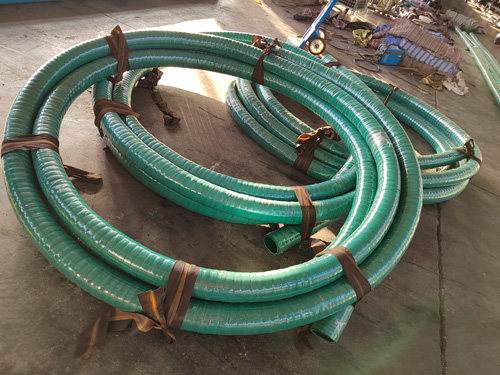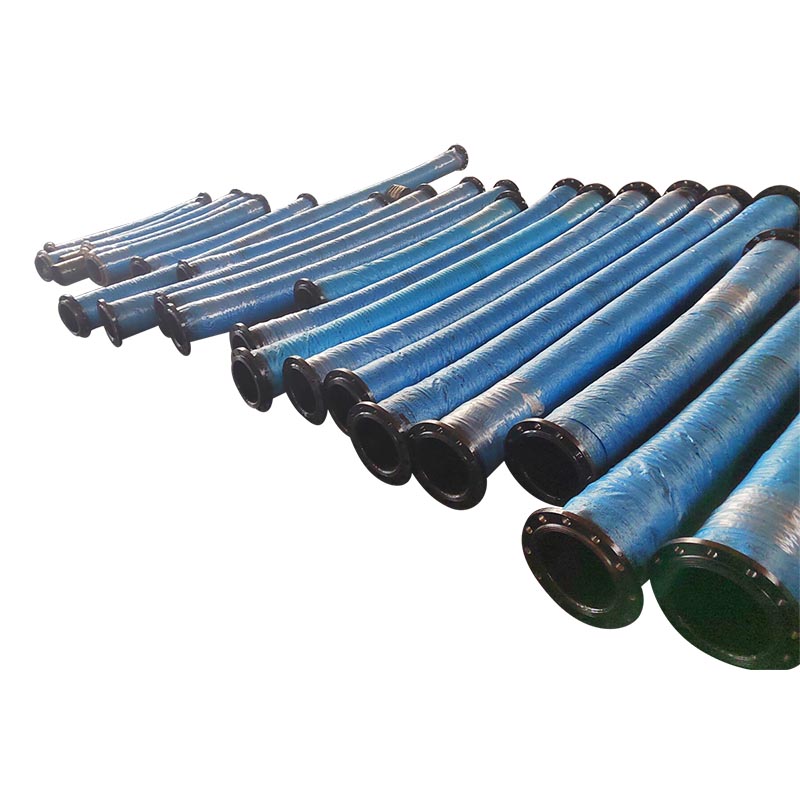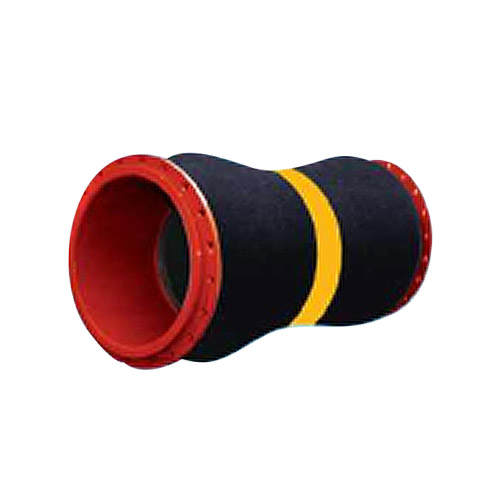

Large-Bore Hoses are critical components in high-volume fluid and material transfer systems across construction, mining, oil and gas, dredging, agriculture, and heavy manufacturing sectors. This article provides a structured, technical, and search-optimized analysis of how Large-Bore Hoses are specified, how they function within demanding operating environments, and how they are expected to evolve with changing industrial requirements.
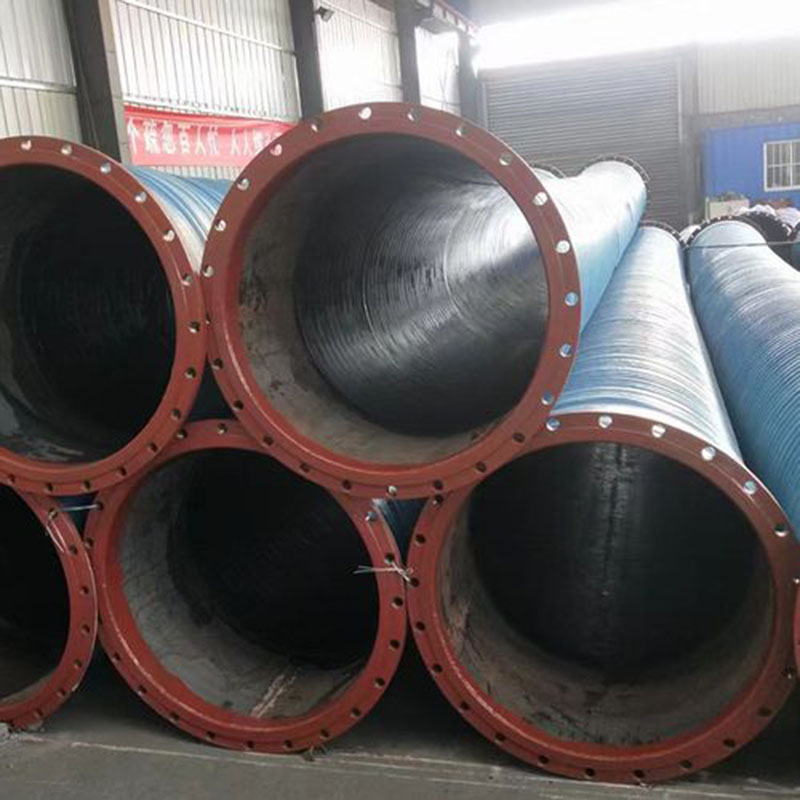
Large-Bore Hoses refer to flexible industrial hoses with significantly larger internal diameters, typically ranging from 2 inches to over 24 inches, designed to convey high volumes of liquids, slurries, powders, or semi-solid materials. These hoses operate as flow conduits in systems where rigid piping would be impractical due to vibration, movement, or temporary deployment requirements.
The operational principle of Large-Bore Hoses relies on reinforced elastomeric or thermoplastic structures that balance flexibility with pressure resistance. Multi-layer construction allows these hoses to withstand internal pressure, external abrasion, and environmental exposure while maintaining consistent flow characteristics.
In practical use, Large-Bore Hoses serve as critical links between pumps, tanks, vessels, and mobile equipment. Their ability to accommodate misalignment, dynamic motion, and rapid installation makes them indispensable in both permanent and temporary industrial systems.
Accurate specification of Large-Bore Hoses requires a comprehensive understanding of mechanical, thermal, and chemical parameters. These parameters directly influence service life, system efficiency, and operational safety.
| Parameter | Typical Range | Technical Significance |
|---|---|---|
| Inner Diameter (ID) | 2” – 24”+ | Determines volumetric flow capacity and velocity control |
| Working Pressure | 5 – 25 bar (varies by construction) | Defines maximum continuous operating pressure |
| Burst Pressure | 3x – 5x working pressure | Safety margin against sudden pressure spikes |
| Temperature Range | -40°C to +120°C (material-dependent) | Ensures material stability under thermal stress |
| Reinforcement Type | Textile cord, steel wire, helix | Provides structural integrity and collapse resistance |
| Tube Material | NR, SBR, EPDM, NBR, UHMWPE | Determines chemical compatibility and wear resistance |
| Cover Material | Rubber, PVC, PU | Protects against abrasion, weathering, and UV exposure |
When evaluating these parameters, system designers prioritize flow rate, pressure stability, and environmental exposure. Improper parameter matching can lead to excessive pressure loss, premature hose failure, or safety hazards.
The selection logic for Large-Bore Hoses depends heavily on the nature of the conveyed medium and the operating environment. Different industries impose distinct mechanical and chemical stresses on hose assemblies.
In dredging and slurry transfer, Large-Bore Hoses must resist internal abrasion from sand, gravel, and suspended solids. Thick-walled designs with wear-resistant inner tubes are commonly applied. In oil and gas transfer, chemical compatibility and static dissipation become primary considerations. Agricultural irrigation systems, by contrast, emphasize lightweight construction and ease of handling over extreme pressure resistance.
Matching Large-Bore Hoses to these scenarios involves balancing durability with operational efficiency. Engineers often assess bend radius, coupling compatibility, and installation constraints before finalizing hose specifications.
Future development of Large-Bore Hoses is closely aligned with broader industrial trends, including automation, sustainability, and efficiency optimization. Material innovation is expected to play a central role, with increased adoption of advanced polymers and composite reinforcements to reduce weight while maintaining strength.
Digital monitoring technologies are also influencing hose design. Integrated sensors capable of detecting pressure fluctuations, temperature changes, and wear patterns are being explored to support predictive maintenance strategies. These advancements aim to reduce downtime and enhance system reliability in high-value industrial operations.
Additionally, environmental regulations are driving demand for hoses with lower permeability and improved resistance to chemical leakage. As a result, Large-Bore Hoses are evolving from passive conduits into engineered system components with measurable performance intelligence.
Q: How is the correct diameter for Large-Bore Hoses determined?
A: Diameter selection is based on required flow rate, allowable pressure drop, and pump capacity. Oversizing may reduce velocity but increase cost, while undersizing can cause turbulence and accelerated wear.
Q: How long do Large-Bore Hoses typically last in industrial service?
A: Service life depends on operating pressure, conveyed material, environmental exposure, and maintenance practices. Under controlled conditions, properly specified hoses can operate reliably for several years.
Q: How can Large-Bore Hoses be inspected for safety and performance?
A: Regular inspection includes checking for external abrasion, soft spots, coupling integrity, and pressure anomalies. Periodic pressure testing is recommended for critical applications.
Large-Bore Hoses represent a foundational element in modern high-flow industrial systems. Their role extends beyond simple fluid conveyance, influencing system efficiency, operational safety, and long-term cost control. By understanding how these hoses function, how their parameters are defined, and how they align with specific application demands, organizations can make informed specification decisions.
Fushuo continues to focus on the engineering and manufacturing of Large-Bore Hoses that meet diverse industrial requirements while adhering to rigorous quality standards. Through continuous material optimization and process refinement, reliable hose solutions are delivered to support complex operational environments.
For additional technical details, specification support, or application consultation regarding Large-Bore Hoses, please contact us to engage with experienced product specialists who can assist with tailored solutions.