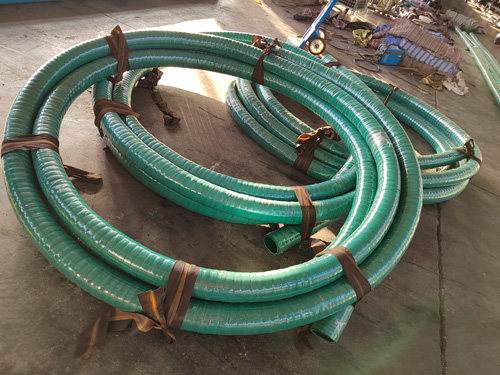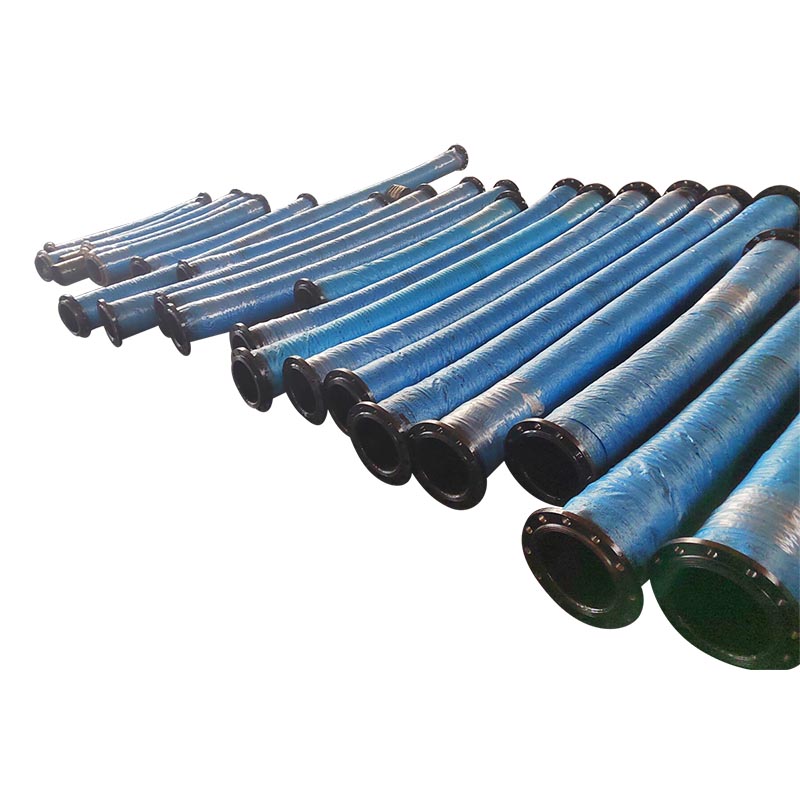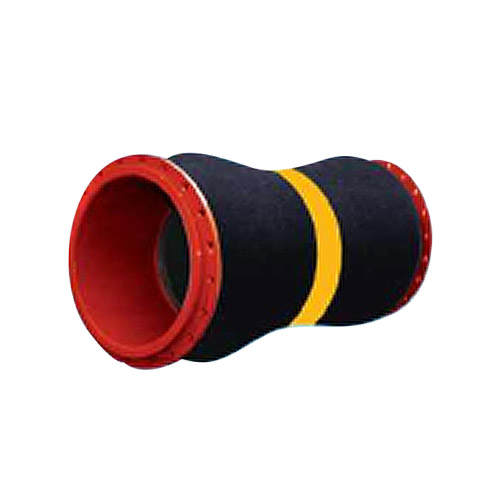

In industrial piping systems, temperature changes, vibration, and mechanical movement can create stress that affects pipeline stability and service life. A Non-metallic Pipe Compensator is designed to absorb thermal expansion, reduce vibration, and improve the flexibility of piping systems.
Compared with rigid pipe connections, a non-metallic pipe compensator provides flexible movement absorption and corrosion resistance, making it suitable for various industrial applications.
This article explains what a non-metallic pipe compensator is, how it works, its key advantages, applications, and important factors to consider when selecting the right solution.
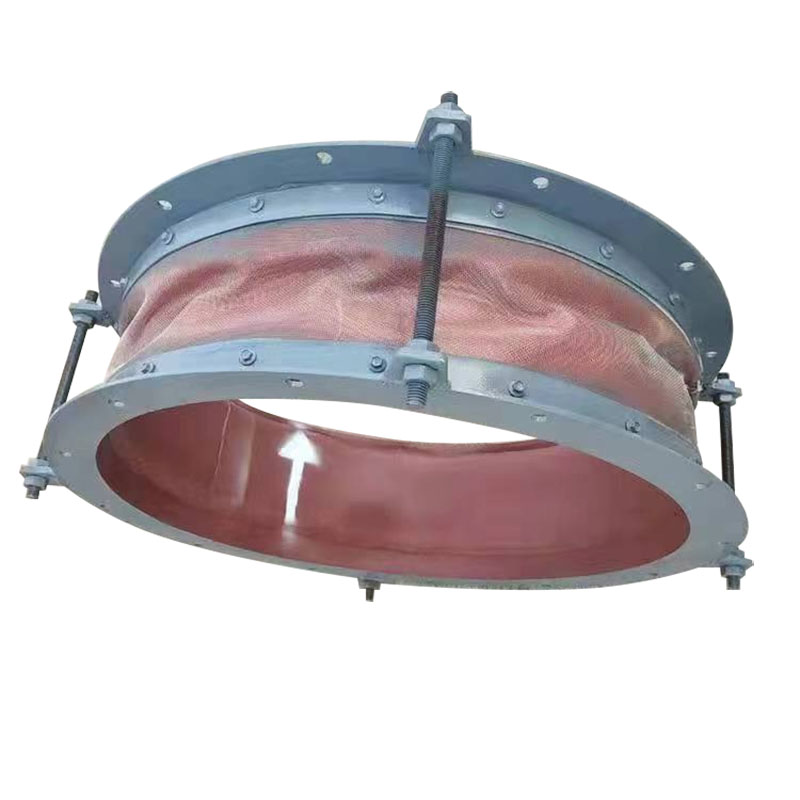
A Non-metallic Pipe Compensator is a flexible pipe expansion component used to compensate for thermal expansion, contraction, vibration, and mechanical displacement in piping systems.
It is commonly manufactured with flexible non-metallic materials such as rubber, fabric composites, and other engineered materials. The flexible structure allows the compensator to absorb movement while maintaining stable connections between pipes and equipment.
Unlike rigid pipe connections, a non-metallic compensator helps reduce stress transferred to pipelines, connected equipment, and supporting structures.
During industrial operation, piping systems may experience movement caused by temperature fluctuations, pressure changes, equipment vibration, and installation conditions. A non-metallic pipe compensator absorbs these movements through its flexible structure.
When pipelines operate under different temperatures, materials expand and contract. The compensator provides flexible movement space to reduce stress within the piping system.
The flexible construction helps absorb vibration generated by pumps, fans, compressors, and other connected equipment, improving system stability.
During pipeline installation, small alignment deviations may occur. A compensator can accommodate certain installation tolerances and improve connection flexibility.
The flexible structure allows the compensator to handle different types of movement, including:
This makes non-metallic pipe compensators suitable for complex industrial piping layouts.
Non-metallic materials can provide good resistance against various corrosive media. They are often used in systems involving chemical gases, industrial air, exhaust gases, and other challenging operating environments.
Industrial equipment can generate continuous vibration during operation. A non-metallic pipe compensator helps isolate vibration between equipment and piping systems, supporting smoother operation.
Compared with some traditional expansion components, non-metallic compensators generally have a lightweight structure, which can simplify transportation and installation.
Chemical processing systems often require flexible components that can handle corrosive environments. Non-metallic pipe compensators are commonly used in chemical pipelines, gas systems, and equipment connections.
Power generation facilities contain many high-temperature and vibration-producing systems. Non-metallic compensators are widely applied in:
Large ventilation and air handling systems require flexible components to absorb movement and reduce vibration. Non-metallic pipe compensators are suitable for industrial ventilation ducts and air transportation systems.
Petrochemical facilities usually include complex piping networks where flexibility, durability, and material compatibility are important requirements.
| Movement Type | Description |
|---|---|
| Axial Movement | Expansion or contraction along the pipe direction |
| Lateral Movement | Side-to-side displacement of connected pipes |
| Angular Movement | Rotation or bending between connected sections |
| Vibration Movement | Absorption of continuous mechanical vibration |
Temperature is one of the most important factors when selecting a compensator. Buyers should consider normal working temperature, maximum temperature, and temperature variations during operation.
The selected compensator should match the pressure requirements of the piping system. Important parameters include working pressure, pressure fluctuations, and operating conditions.
The transported medium directly affects material selection. Consider factors such as:
Different piping systems require different compensation abilities. Selection should consider movement range, installation location, and pipeline structure.
The compensator should match the pipeline specifications, including:
Before installation, confirm that connected pipes are properly aligned to avoid unnecessary stress on the compensator.
The compensator should be installed according to design requirements without excessive stretching, compression, or twisting.
Regularly check connection components such as bolts, flanges, and sealing parts to maintain stable operation.
A professional supplier should understand material selection, structural design, and production requirements for different industrial applications.
Industrial piping systems often require customized solutions according to:
A reliable manufacturer should focus on material inspection, production consistency, product testing, and performance verification.
A non-metallic pipe compensator is used to absorb thermal expansion, vibration, and mechanical movement in industrial piping systems.
Common materials include flexible rubber, fabric composites, and other engineered non-metallic materials selected according to operating conditions.
They are commonly used in chemical plants, power generation facilities, HVAC systems, ventilation equipment, and industrial piping applications.
Selection depends on operating temperature, working pressure, medium characteristics, movement requirements, pipeline size, and installation conditions.
A Non-metallic Pipe Compensator is an important flexible component for modern industrial piping systems. By absorbing expansion, reducing vibration, and improving pipeline flexibility, it helps maintain stable system operation.
When selecting a suitable solution, buyers should evaluate operating conditions, material compatibility, movement requirements, and supplier manufacturing capabilities to ensure the compensator meets specific application needs.