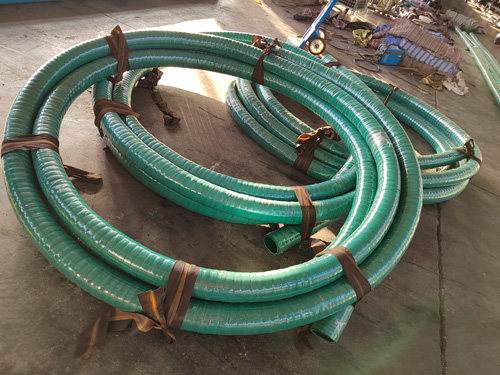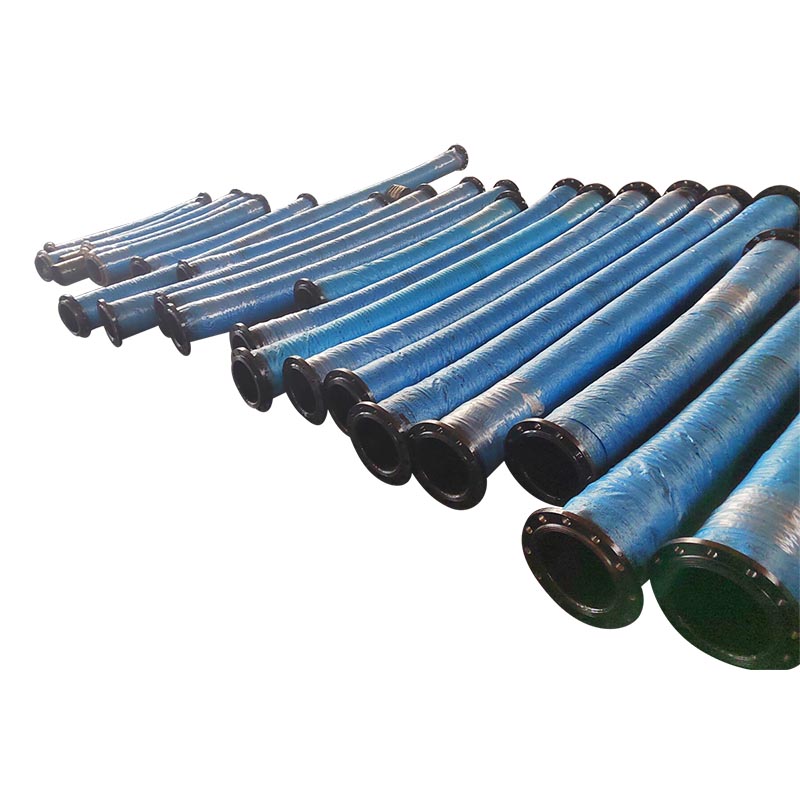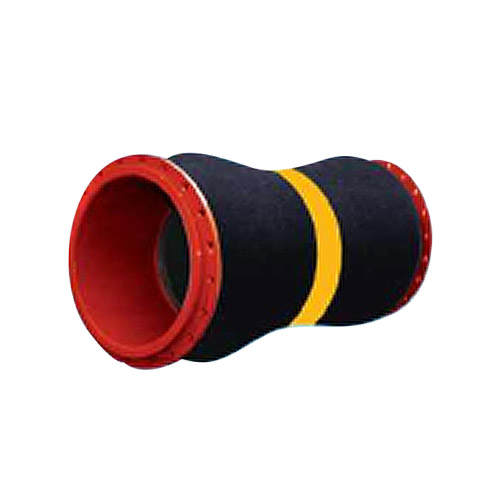

Abstract: Silicone Soft Connection has become a critical component in modern electrical and mechanical systems due to its unique flexibility, heat resistance, and durability. This article explores the technical specifications, applications, common challenges, and practical tips for optimizing Silicone Soft Connection. Readers will gain a comprehensive understanding of product selection, installation, and troubleshooting, with reference to Hebei Fushuo's high-quality solutions.
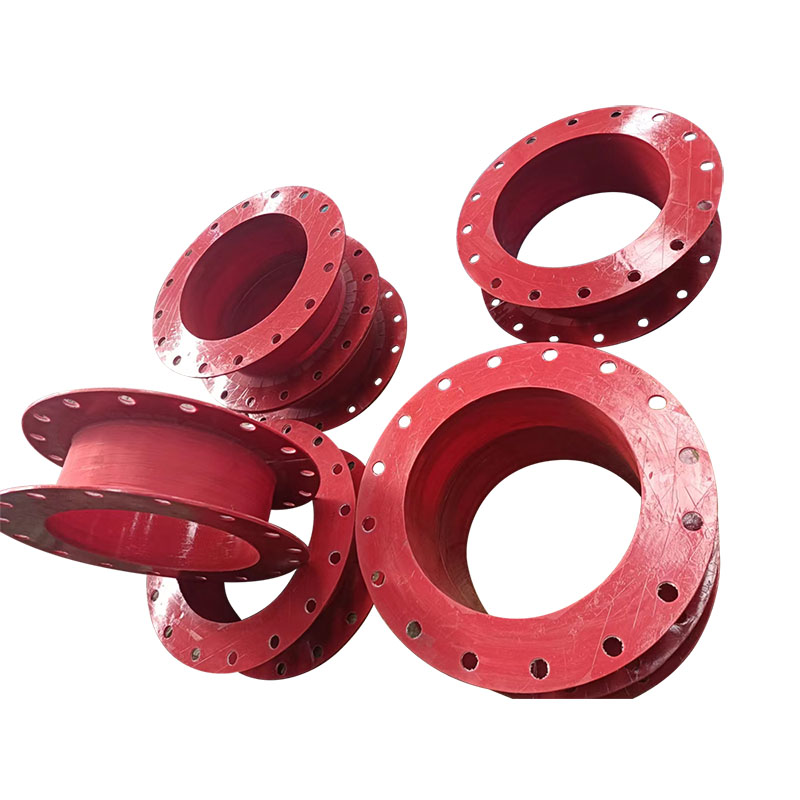
Silicone Soft Connection is a highly flexible, insulating, and durable connector widely used in electrical and mechanical systems. It is designed to absorb vibration, reduce mechanical stress, and ensure consistent performance under varying temperatures. Its structure allows it to maintain electrical integrity while accommodating movement or expansion in complex assemblies. The central focus of this article is to provide an in-depth understanding of Silicone Soft Connection, covering its specifications, installation considerations, and troubleshooting guidance to optimize system reliability.
The performance and efficiency of Silicone Soft Connection depend heavily on its material properties and design parameters. The following table summarizes the key specifications:
| Parameter | Specification |
|---|---|
| Material | High-grade silicone rubber, reinforced with embedded metal conductors |
| Temperature Range | -60°C to +250°C |
| Voltage Rating | Up to 1000V AC/DC |
| Current Rating | 1A – 200A (depending on size and conductor type) |
| Dielectric Strength | ≥ 20 kV/mm |
| Elongation | ≥ 400% |
| Flexibility | Excellent vibration and movement absorption |
| Standards Compliance | IEC 60216, UL 1446 |
Silicone Soft Connection is applied across multiple industries and systems, providing flexibility and insulation under challenging conditions. Its major application areas include:
Installation guidelines:
A1: Silicone Soft Connection provides enhanced flexibility, vibration absorption, and thermal resistance. Unlike rigid connectors, it can accommodate expansion, contraction, and mechanical movement without compromising electrical continuity or causing material fatigue.
A2: Selection should be based on system voltage, expected current, ambient temperature, and physical space constraints. Manufacturers typically provide a current rating table, allowing precise selection. Oversizing slightly can improve reliability without significantly increasing cost.
A3: Regular inspection for cracks, thermal degradation, or discoloration is essential. Clean surfaces from dust and chemicals, avoid overstressing the connection during installation, and ensure all terminations are secure. Replacing worn connectors promptly prevents system failures.
Silicone Soft Connection remains an essential solution for modern electrical and mechanical systems requiring flexibility, high-temperature resistance, and durability. Selecting the correct specifications, proper installation, and maintenance practices are crucial for maximizing performance. Hebei Fushuo provides a wide range of high-quality Silicone Soft Connections designed for diverse applications and rigorous industrial standards. For inquiries, orders, or technical support, contact us to discuss solutions tailored to specific system requirements.