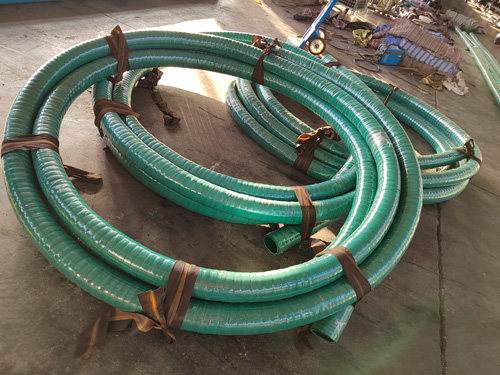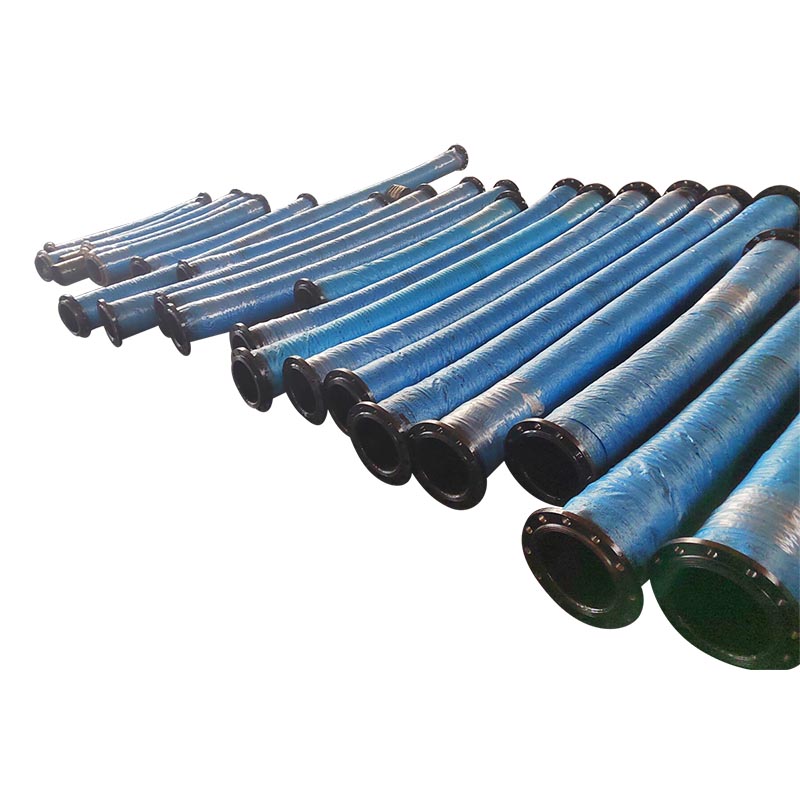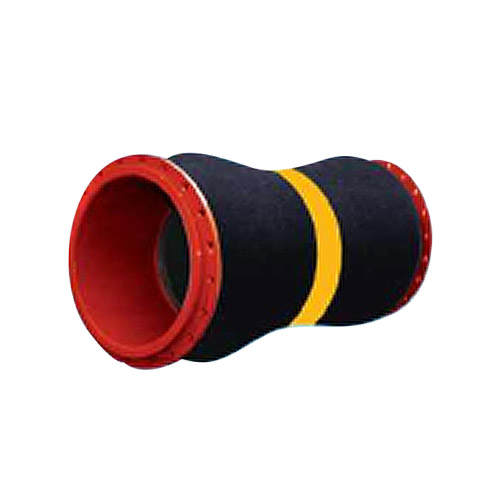

Modern industrial piping systems must withstand high pressures, fluctuating temperatures, vibrations, and chemical exposure while maintaining long-term reliability. As industries evolve, the demand for advanced solutions that reduce maintenance costs, improve efficiency, and extend service life continues to rise. One of the most effective answers to these challenges is the non-metallic pipe compensator.
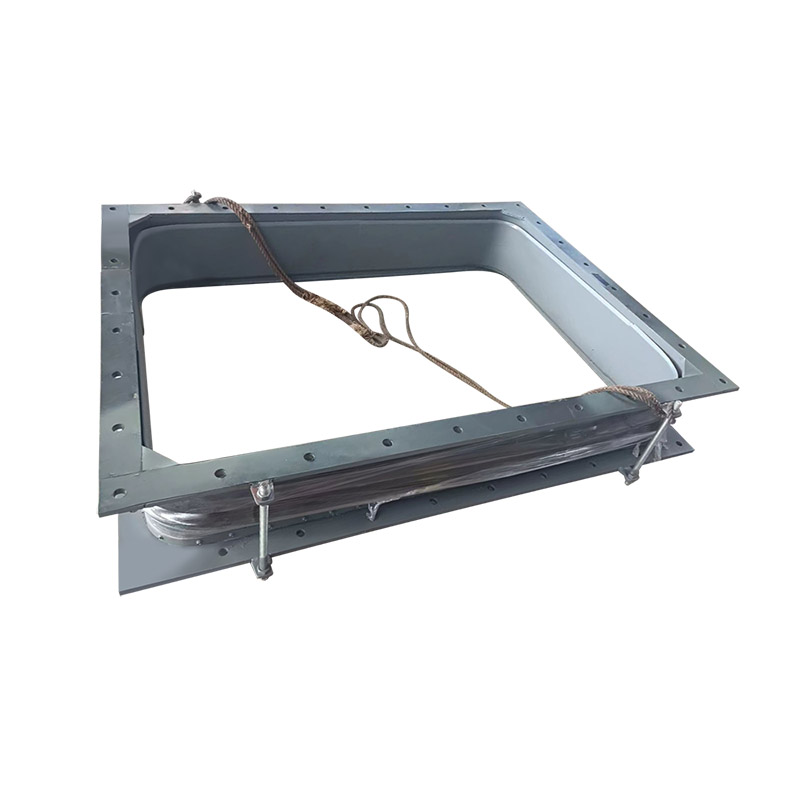
A non-metallic pipe compensator, also known as a flexible joint or expansion joint, is specifically designed to absorb movement, vibration, and thermal expansion in pipelines without relying on rigid metallic materials. Unlike traditional metallic compensators, which may corrode or fatigue under aggressive operating conditions, non-metallic designs use composite materials such as rubber, PTFE, or reinforced fabric. This construction ensures excellent durability, flexibility, and chemical resistance.
Flexibility: They easily absorb axial, lateral, and angular displacement caused by thermal expansion, ground settlement, or structural shifts.
Corrosion Resistance: Unlike steel, non-metallic materials do not rust or degrade when exposed to water, acids, alkalis, or industrial chemicals.
Vibration Damping: They significantly reduce noise and vibration in pumps, compressors, and turbines.
Lightweight Construction: Easier to handle, install, and maintain compared to heavy metallic alternatives.
Cost Efficiency: Lower installation costs and reduced maintenance requirements make them an economical long-term investment.
Non-metallic pipe compensators are widely used in industries such as power generation, petrochemicals, water treatment, food processing, pharmaceuticals, and HVAC systems. Their versatility allows them to adapt to both high-performance and everyday pipeline applications.
The primary function of a non-metallic pipe compensator is to compensate for pipeline movement and protect systems from damage. When pipelines expand due to heat or shift due to vibration and pressure fluctuations, rigid joints would transmit stress to connected equipment. A compensator absorbs these forces, preventing cracks, leaks, or premature wear.
Absorbing Thermal Expansion
As pipelines heat up, they expand. Non-metallic compensators accommodate this length change without transferring stress to adjacent components.
Vibration Isolation
Pumps, blowers, and compressors generate vibrations. Flexible joints absorb this motion, reducing fatigue and noise levels.
Compensating Misalignment
Perfect alignment in long pipelines is rare. Non-metallic compensators allow slight deviations without compromising system integrity.
Sealing Against Corrosive Media
PTFE-lined or rubber compensators resist aggressive fluids, ensuring safe and leak-free operation.
Power Plants: Manage high-temperature flue gas lines and cooling water pipelines.
Petrochemical Facilities: Provide resistance to corrosive acids, solvents, and hydrocarbons.
Water Supply & Treatment: Used in pumping stations to reduce vibration and compensate for ground movement.
Food & Beverage: Hygienic-grade compensators handle water, steam, and liquids safely.
HVAC Systems: Absorb building movement and reduce vibration in heating and cooling systems.
| Parameter | Specification Options |
|---|---|
| Material Options | EPDM, NBR, Neoprene, Natural Rubber, PTFE-lined, Fabric Reinforced |
| Temperature Range | -40°C up to +200°C depending on material |
| Pressure Rating | PN6, PN10, PN16, PN25, PN40 |
| Movement Capacity | Axial ±20mm, Lateral ±35mm, Angular ±15° (varies by design) |
| Sizes | DN25 – DN3000 (customizable) |
| End Connections | Flanged, threaded, or customized connections |
| Applications | Water, steam, oil, chemicals, gases, slurry, HVAC |
By matching the correct material, pressure rating, and size, non-metallic pipe compensators provide reliable service even in the most demanding operating environments.
Choosing the right compensator involves more than just picking a size. A detailed evaluation of operational conditions, media type, and environmental factors is necessary to ensure maximum efficiency and safety.
Medium Characteristics
Identify whether the system handles water, oil, gas, slurry, or chemicals.
Select a material resistant to the specific chemical or fluid.
Temperature and Pressure
High temperatures may require PTFE or EPDM materials.
Ensure the pressure rating matches system requirements to avoid premature failure.
Movement Absorption Needs
Calculate expected axial, lateral, and angular movements.
Choose a design that can accommodate maximum displacement.
Installation Environment
Indoor vs. outdoor placement affects material selection.
For UV or ozone exposure, weather-resistant compounds like EPDM are preferred.
Compliance Standards
In food, beverage, or pharmaceutical industries, compensators must meet FDA or hygienic standards.
For water systems, WRAS or NSF certifications may be necessary.
Ensures longer service life with fewer replacements.
Improves safety by reducing the risk of leaks and failures.
Optimizes efficiency through vibration control and thermal compensation.
Reduces operational costs by minimizing downtime.
Q1: How long do non-metallic pipe compensators last?
A: The lifespan depends on operating conditions, material type, and maintenance practices. Under standard conditions, a high-quality compensator can last 5–10 years. In more demanding environments, regular inspections are necessary to maximize service life.
Q2: How do I maintain non-metallic pipe compensators?
A: Routine maintenance involves inspecting for surface cracks, checking flange connections, and monitoring for leakage. Cleaning with mild agents and avoiding exposure to sharp objects or excessive torsion will help extend the life of the compensator. Replacement should be scheduled at the first sign of wear to prevent system failures.
As industries pursue greater efficiency and sustainability, non-metallic pipe compensators are playing an increasingly important role. Their lightweight design, corrosion resistance, and adaptability make them ideal for modern systems that must handle both traditional and renewable energy processes.
Eco-Friendly Materials: Development of recyclable and environmentally safe compounds.
Smart Monitoring: Integration with IoT sensors to track wear, pressure, and movement in real-time.
Extended Temperature Range: Advanced PTFE and composite designs enabling higher performance in extreme conditions.
Custom Engineering: Industry-specific designs tailored to unique applications like desalination plants, LNG terminals, and biopharmaceutical facilities.
The shift toward sustainable infrastructure, stricter safety regulations, and high-efficiency systems ensures non-metallic compensators remain central to future engineering solutions. They offer unmatched adaptability and reliability compared to traditional metallic alternatives, making them a cornerstone of pipeline innovation.
At Fushuo, we specialize in producing high-quality non-metallic pipe compensators engineered to meet the most demanding global standards. With advanced manufacturing techniques, durable materials, and strict quality control, our products deliver outstanding performance across industries. Whether your project involves power generation, chemical processing, or water treatment, our team provides customized solutions that extend service life and improve system reliability.
For detailed specifications, technical consultations, or bulk inquiries, contact us today to learn how Fushuo can support your industrial piping needs.