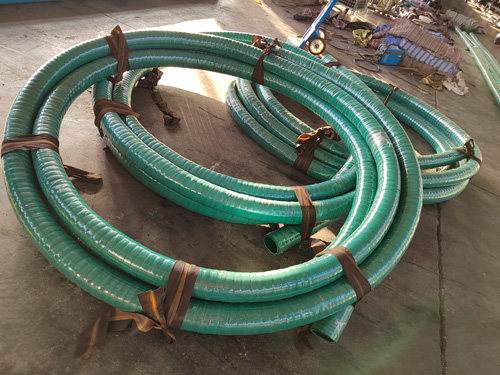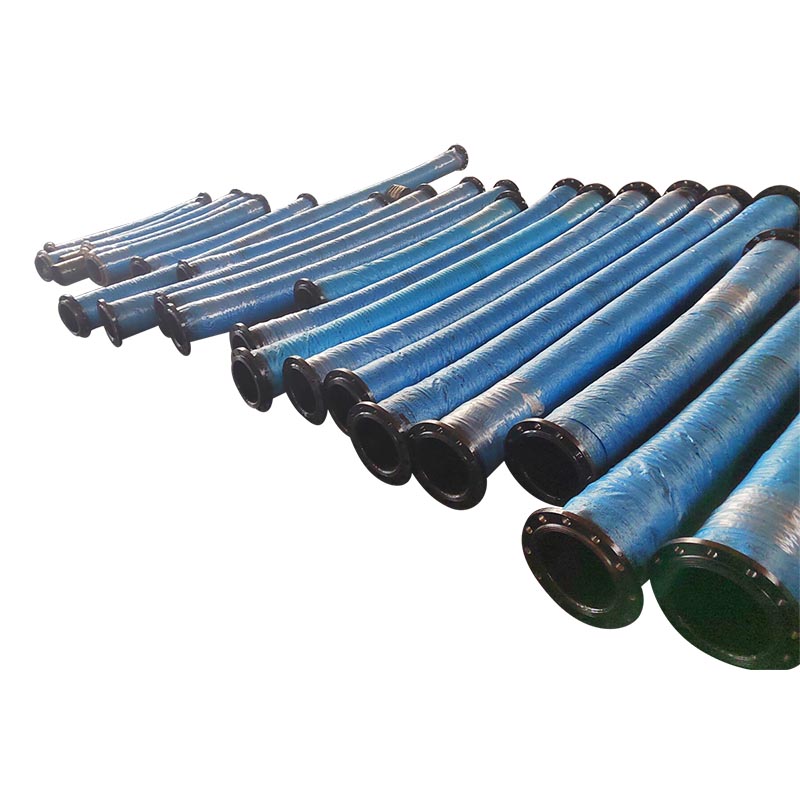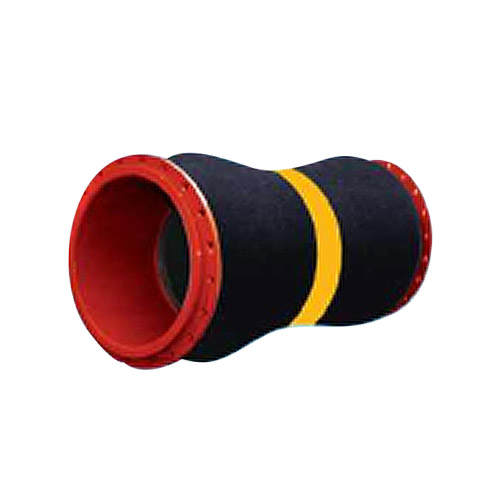

A non-metallic pipe compensator is a critical flexible component used in modern pipeline systems to absorb thermal expansion, vibration, misalignment, and mechanical stress. Compared with traditional metallic compensators, non-metallic designs offer superior corrosion resistance, lightweight structure, and excellent flexibility, making them suitable for harsh environments and complex operating conditions. This article provides a comprehensive explanation of how non-metallic pipe compensators work, the problems they solve, how to select the right type, and how they contribute to long-term system safety and stability. It also introduces how Fushuo supports industrial clients with reliable non-metallic pipe compensator solutions.

A non-metallic pipe compensator is a flexible connector installed in piping systems to compensate for axial, lateral, and angular displacement caused by temperature changes, pressure fluctuations, vibration, or structural movement. It is typically manufactured using reinforced rubber, fabric layers, fluoropolymer coatings, or composite materials rather than metal.
These compensators are widely used in power plants, chemical processing facilities, HVAC systems, metallurgy, cement production, and environmental protection equipment. Fushuo develops non-metallic pipe compensators that are engineered to maintain sealing integrity while allowing controlled flexibility under dynamic operating conditions.
Pipeline system operators often face recurring problems that directly affect safety, maintenance costs, and operational continuity.
Non-metallic pipe compensators are designed specifically to address these challenges by isolating stress and accommodating movement without compromising system integrity.
The working principle of a non-metallic pipe compensator is based on controlled elastic deformation. When a pipeline expands, contracts, or shifts, the compensator absorbs the movement through its flexible body rather than transferring stress to rigid pipe sections or equipment nozzles.
This flexibility significantly reduces mechanical stress, minimizes vibration transmission, and extends the service life of the entire pipeline system.
Non-metallic pipe compensators provide several performance advantages when compared to traditional metallic expansion joints.
These benefits make non-metallic designs particularly suitable for aggressive media, fluctuating temperatures, and systems requiring long-term operational stability.
Material selection directly determines the performance and service life of a non-metallic pipe compensator. Common material components include:
Fushuo customizes material combinations based on operating temperature, pressure rating, chemical exposure, and movement requirements, ensuring each compensator matches real-world working conditions.
Selecting a suitable non-metallic pipe compensator requires a systematic evaluation of application parameters.
Accurate data collection and professional technical support are essential to avoid underdesign or overdesign, both of which can lead to premature failure.
| Performance Aspect | Non-metallic Pipe Compensator | Metal Compensator |
|---|---|---|
| Corrosion Resistance | Excellent | Limited |
| Vibration Absorption | High | Low |
| Flexibility | Multi-directional | Mainly axial |
| Weight | Lightweight | Heavy |
| Maintenance Frequency | Low | Moderate to high |
Non-metallic pipe compensators are used across a wide range of industries and systems.
Proper installation is critical to achieving the full performance potential of a non-metallic pipe compensator.
When installed and maintained correctly, these compensators can provide long-term, stable service with minimal intervention.
Can a non-metallic pipe compensator handle high temperatures?
Yes, with proper material selection, non-metallic compensators can operate reliably under elevated temperature conditions.
Is a non-metallic pipe compensator suitable for corrosive media?
Yes, non-metallic materials offer excellent resistance to many corrosive chemicals.
How long is the service life?
Service life depends on operating conditions, but proper design and installation significantly extend durability.
Does it require frequent maintenance?
No, routine inspections are usually sufficient when the compensator is correctly selected.
A non-metallic pipe compensator is an essential solution for managing movement, vibration, and stress in modern pipeline systems. Its flexibility, corrosion resistance, and reliability make it a preferred choice for demanding industrial environments. By understanding how these compensators work and how to select the right design, operators can enhance system safety, reduce downtime, and lower long-term maintenance costs.
Fushuo specializes in manufacturing high-quality non-metallic pipe compensator solutions tailored to complex operating conditions. If you are seeking a dependable partner to improve your pipeline performance, contact us today to discuss your application requirements and receive professional technical support from the Fushuo team.